
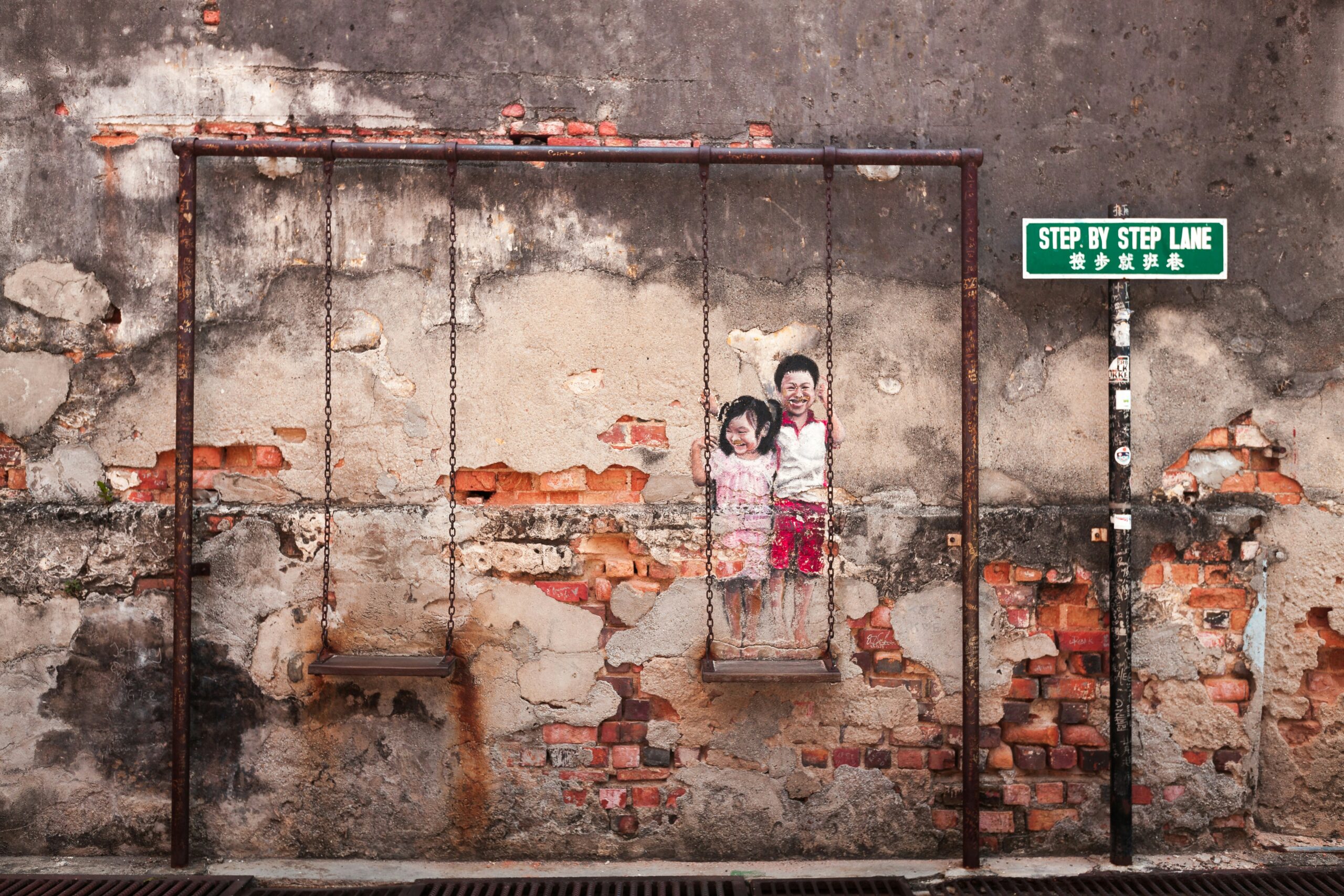
Penang is an island in northern Malaysia, connected to the mainland by two bridges. Its capital, George Town, is famous for its UNESCO-listed historic centre, colonial architecture, temples, street art and, above all, street food. Beyond the city, the island offers forests, beaches and Penang Hill, with beautiful views over the island and the mainland. Farther north is Langkawi, an archipelago in the Andaman Sea near the Thai border. The main island is best known for its beaches, nature and duty-free status, which makes several products, especially alcohol, much cheaper than in the rest of Malaysia.
As we did with Ipoh and the Cameron Highlands, we decided to include Penang and Langkawi in the same guide because they are close to each other and easy to combine in the same itinerary.
Information, prices and opening times can change over time, so always check the official websites linked in this article for the latest details.
George Town
The capital of Penang state, George Town lies on the island’s north-eastern coast, overlooking the Strait of Malacca. Founded by the British in 1786 as a trading port, the city still has a strong multicultural identity, shaped by Malay, Chinese and Indian communities. Its historic centre, a UNESCO World Heritage Site since 2008 together with Malacca, is filled with colonial buildings, shophouses, temples, mosques and markets.
How to get to and around George Town
If you are arriving from the Cameron Highlands, as we did, the easiest option is to travel by bus to Penang Sentral in Butterworth. If you are coming from cities such as Ipoh or Kuala Lumpur, Butterworth is also easy to reach by train.
From Penang Sentral, you can continue to George Town by Grab or taxi, crossing one of the bridges that connect Penang to the mainland. Alternatively, you can take the ferry between Butterworth and George Town. The crossing takes around 20 minutes, and ferries run regularly throughout the day. During our trip, the ticket cost 2 MYR per person and could be paid by card or Touch ‘n Go. The ferry arrives at Weld Quay, right by the historic centre.
If you are coming from farther away, Penang also has an international airport in the southern part of the island, with connections to many destinations in Malaysia and Southeast Asia. From the terminal, you can reach George Town by Grab, taxi or bus.
Once you arrive, George Town’s historic centre is easy to explore on foot, and walking is also the best way to discover its murals, shophouses, markets and temples. For attractions farther away, such as Penang Hill or temples outside the centre, you can use Grab or Rapid Penang public buses. We found a combination of walking and Grab especially convenient.
Things to do in George Town
Historic centre: murals, shophouses and mansions
George Town’s historic centre is characterised by its traditional shophouses, narrow colourful buildings that once combined commercial spaces on the ground floor with living quarters above. Today, many have been converted into shops, cafés and restaurants, while others still retain their original function.
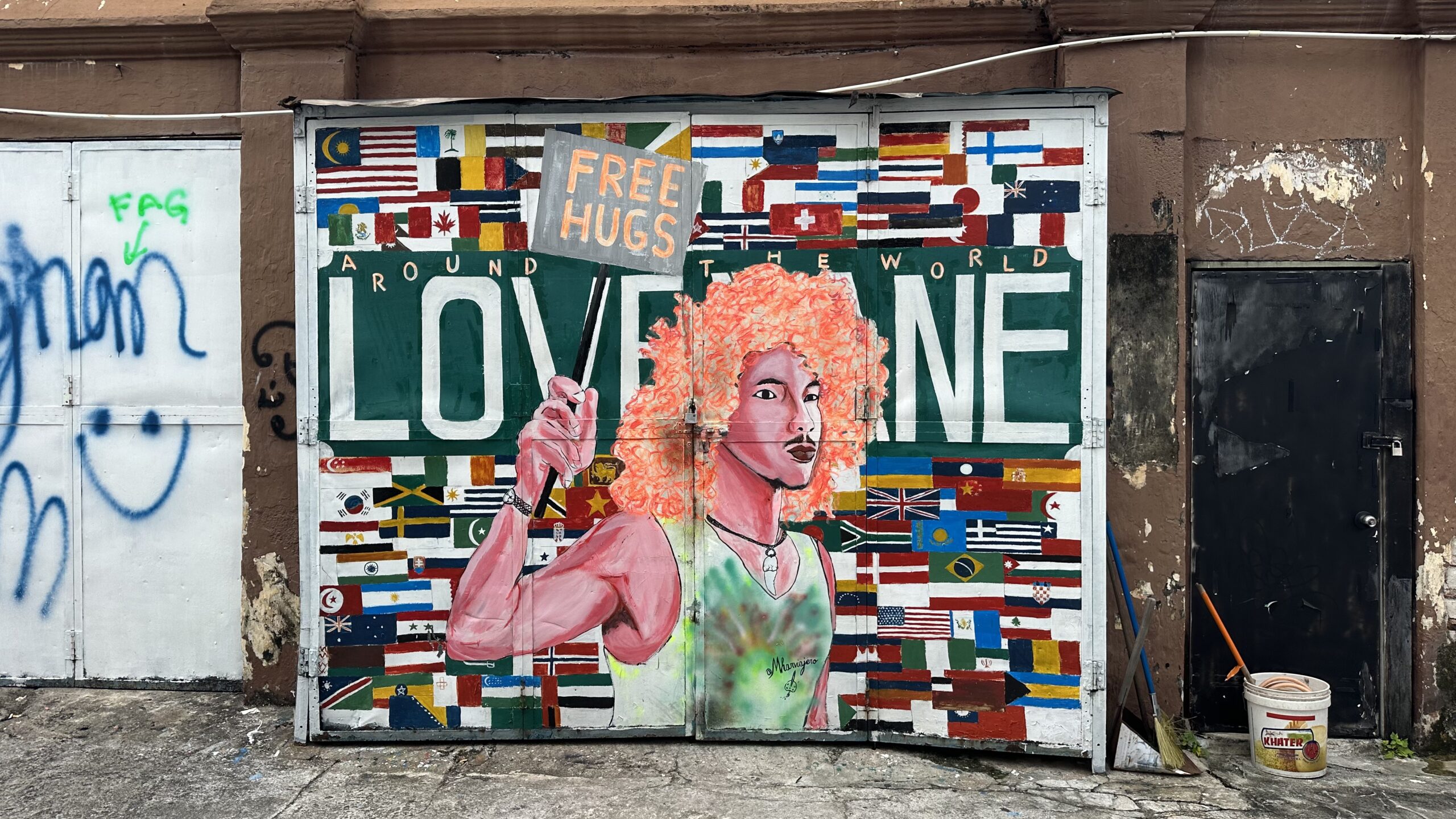
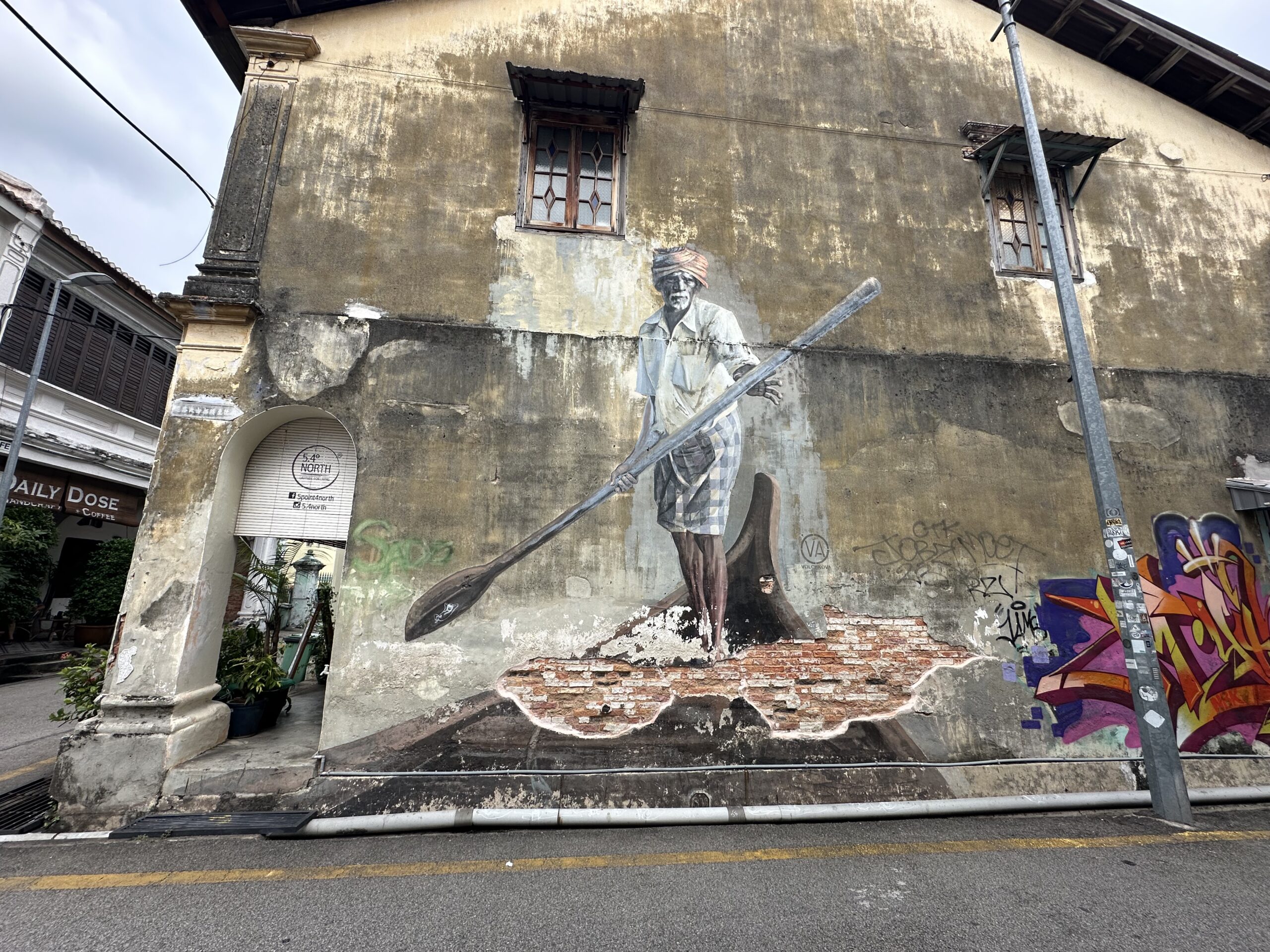
While walking through the centre, you will also come across the famous George Town murals, now one of the city’s symbols. Many are concentrated around Armenian Street and are easy to discover on foot while exploring the historic centre.
One of the most important historic residences is the Cheong Fatt Tze Mansion, known as the Blue Mansion because of its distinctive indigo-blue façade. Built in the late 19th century, it now houses a boutique hotel, although some areas can be visited on guided tours.
Another interesting place to visit is the Pinang Peranakan Mansion, dedicated to Peranakan culture, which developed from the meeting of Chinese communities who migrated to Southeast Asia and local cultures. Inside, you can see furniture, ceramics, clothing, jewellery and other objects that offer an insight into the lifestyle of wealthier Peranakan families.
To see more shophouses and historic buildings, simply walk through the streets of the centre, especially Love Lane, Muntri Street and Chulia Street, where many buildings have been restored and converted into hotels, restaurants and bars.
Temples and places of worship
One of the most interesting things about George Town is how closely Buddhist and Hindu temples, mosques and churches stand alongside one another, reflecting the city’s multicultural history. Many are concentrated along Jalan Masjid Kapitan Keling and the surrounding streets, an area also known as the Street of Harmony.
One of the most important sites is Khoo Kongsi, one of Penang’s most important Chinese clan houses. The complex belonged to the Khoo clan and features elaborate decorations, carvings and paintings that tell the story of the city’s Chinese community. Nearby is the Sri Mahamariamman Temple, the oldest Hindu temple in Penang, founded in the 19th century and easy to recognise by its colourful gopuram decorated with numerous deities. In the same area are the Kapitan Keling Mosque, one of the city’s most important historic mosques, the Goddess of Mercy Temple, one of Penang’s oldest Chinese temples, and St. George’s Church, an Anglican church dating from the early 19th century.
This area is well worth exploring on foot, because within just a few hundred metres you move from one place of worship to another and get a clear sense of the mix of cultures and religions that defines George Town.
Kek Lok Si Temple
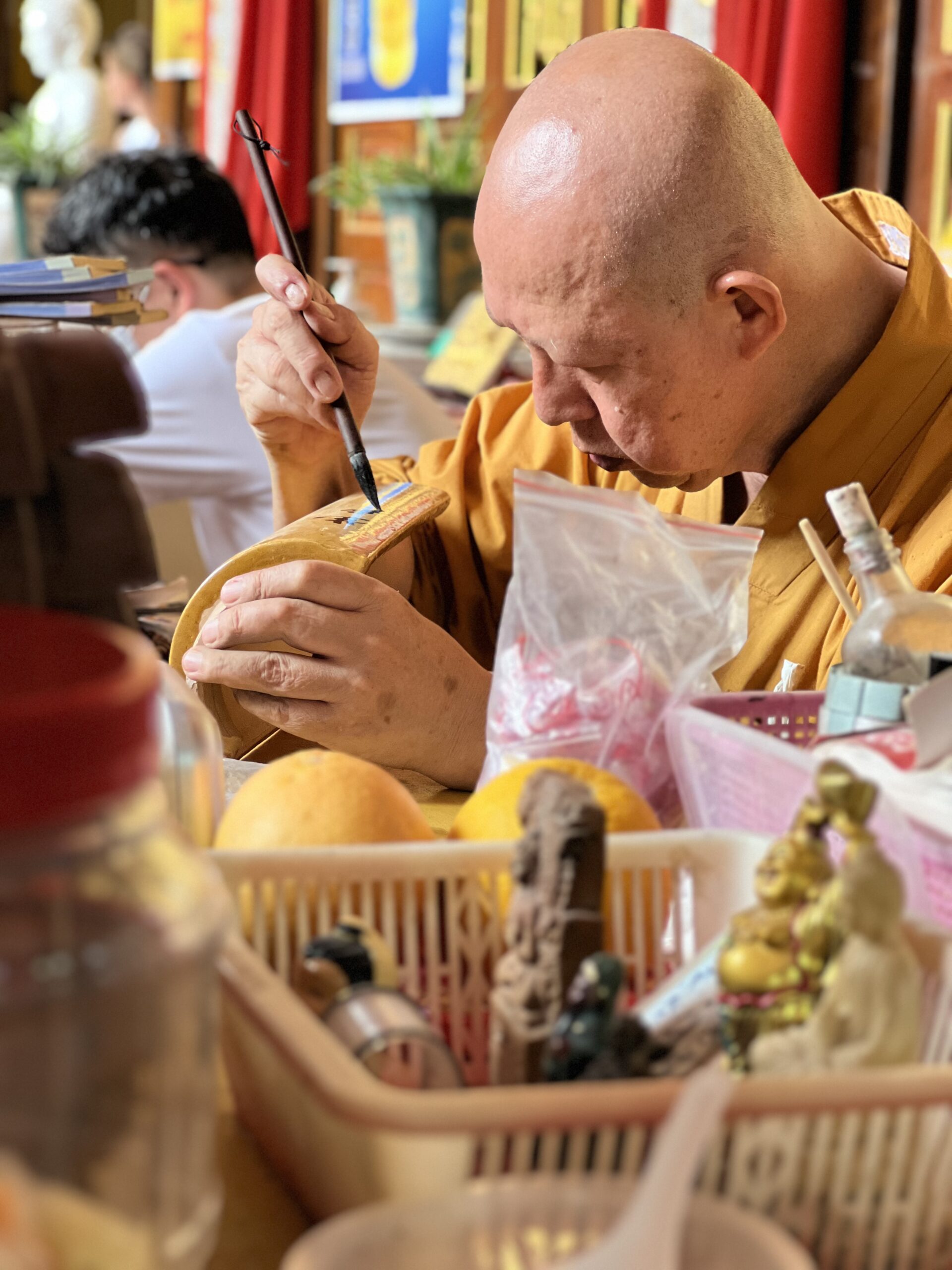
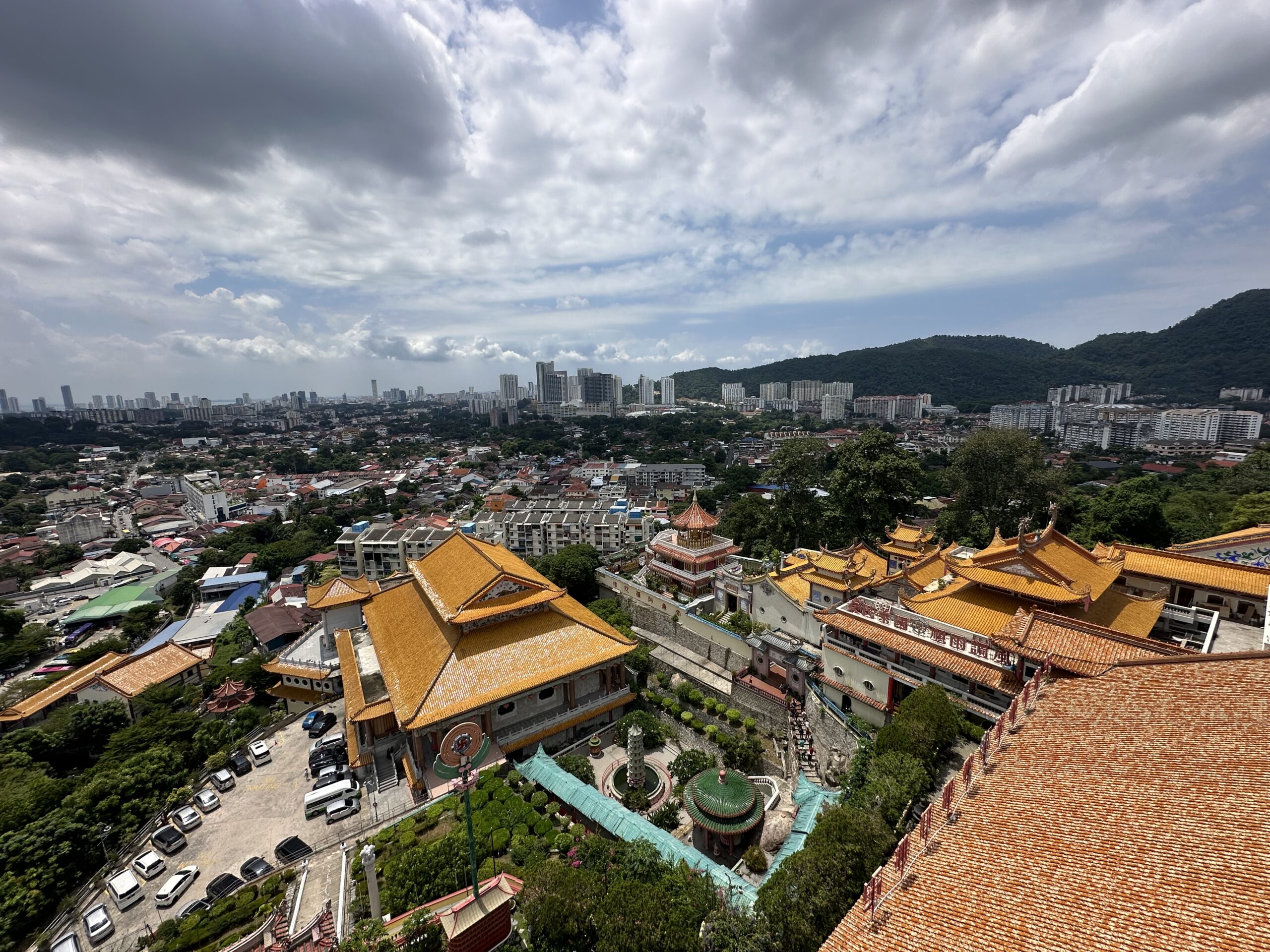
Kek Lok Si Temple is in Air Itam, around a 30-minute drive from central George Town. It is considered the largest Buddhist temple complex in Malaysia and extends across several levels on the hillside.
Inside are numerous prayer halls, gardens and pavilions, as well as the Pagoda of Ten Thousand Buddhas, around 30 metres high and built in a mix of Chinese, Thai and Burmese architectural styles. At the highest part of the complex stands the enormous statue of Kuan Yin, the Goddess of Mercy.
Entry to the main complex is free, while some areas and services require a small fee. You can reach Kek Lok Si from George Town by Grab, taxi or public bus. Allow around 2–3 hours for a relaxed visit. Because it is nearby, you can easily combine it with Penang Hill on the same day.
Penang Hill
Penang Hill rises above George Town and is one of Penang’s best-known viewpoints, with great views over the city and the Strait of Malacca. In our opinion, the best time to go up is in the late afternoon, so you can see the view first in daylight and then with the city lights switched on.
The easiest way to reach the top is on the Penang Hill funicular, which leaves from Air Itam and takes only a few minutes to reach the upper station. During our trip, a standard return ticket cost 30 MYR per person. You can reach the lower station from George Town by Grab, taxi or public bus. If possible, avoid weekends and public holidays, when queues for the funicular can become quite long.
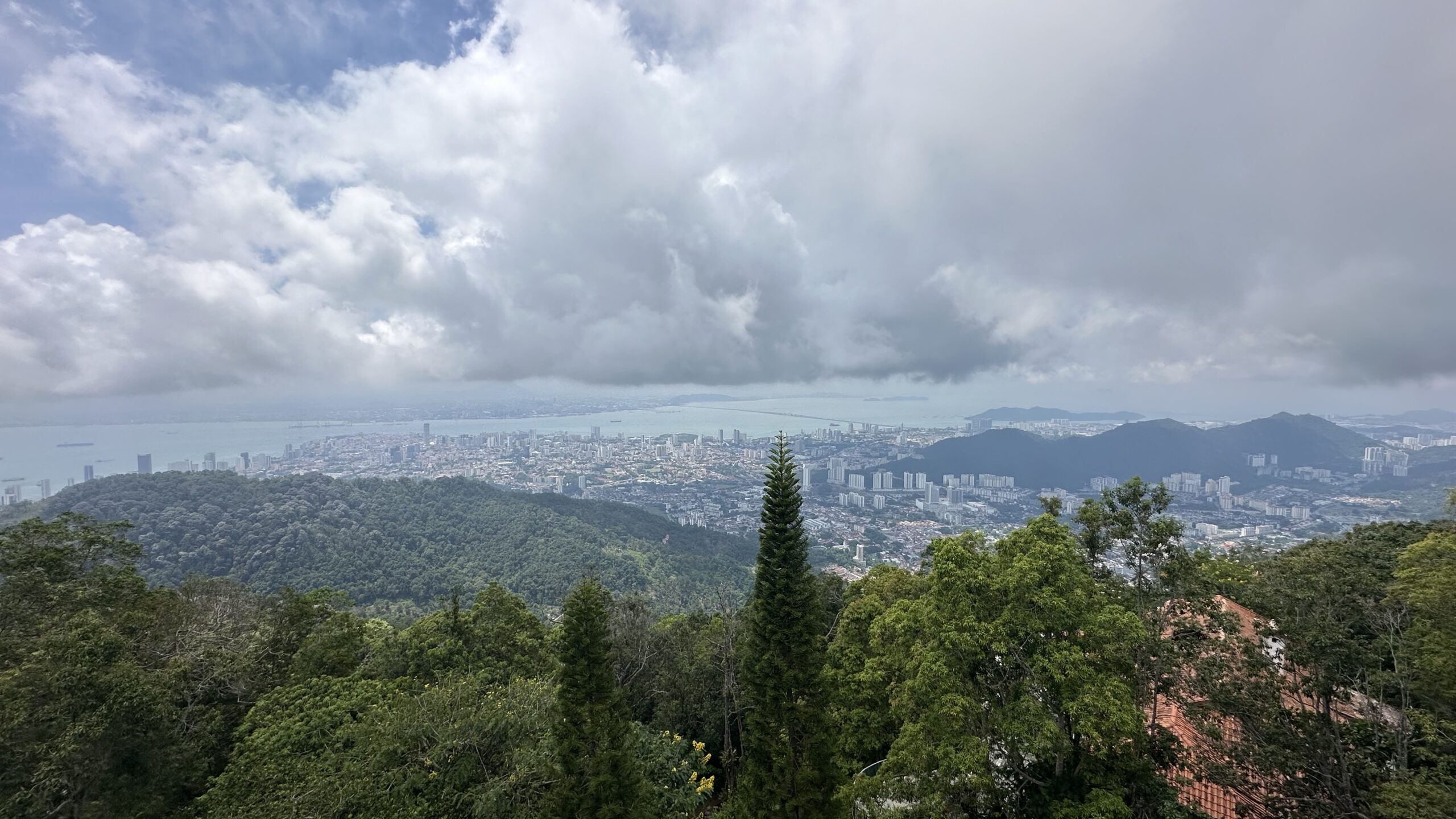
Alternatively, you can hike up Penang Hill along the Heritage Trail, a route of around 5 km with almost 700 metres of elevation gain. The climb takes roughly 2–3 hours, depending on your pace and the weather. Do not underestimate the heat and especially the humidity: we found them brutal!
We followed the trail as far as the Middle Station, where we took the funicular to the top. In our case, we were not charged for a ticket, but treat that as pure luck rather than something you can rely on. On the way back, we walked all the way down.
Street food, markets and jetties
George Town is considered one of Malaysia’s food capitals, and street food is an important part of any visit. The cuisine reflects Penang’s mix of Chinese, Malay, Indian and Peranakan cultures. Some of the best-known dishes to try include char kway teow, wok-fried rice noodles; asam laksa, a spicy and sour noodle soup; nasi kandar, rice served with curry and various side dishes; and cendol, one of the island’s most popular desserts.
In the historic centre, you will find hawker stalls and small restaurants almost everywhere. In the evening, the area between Chulia Street and Love Lane becomes especially lively, with food stalls, bars and restaurants open until late.
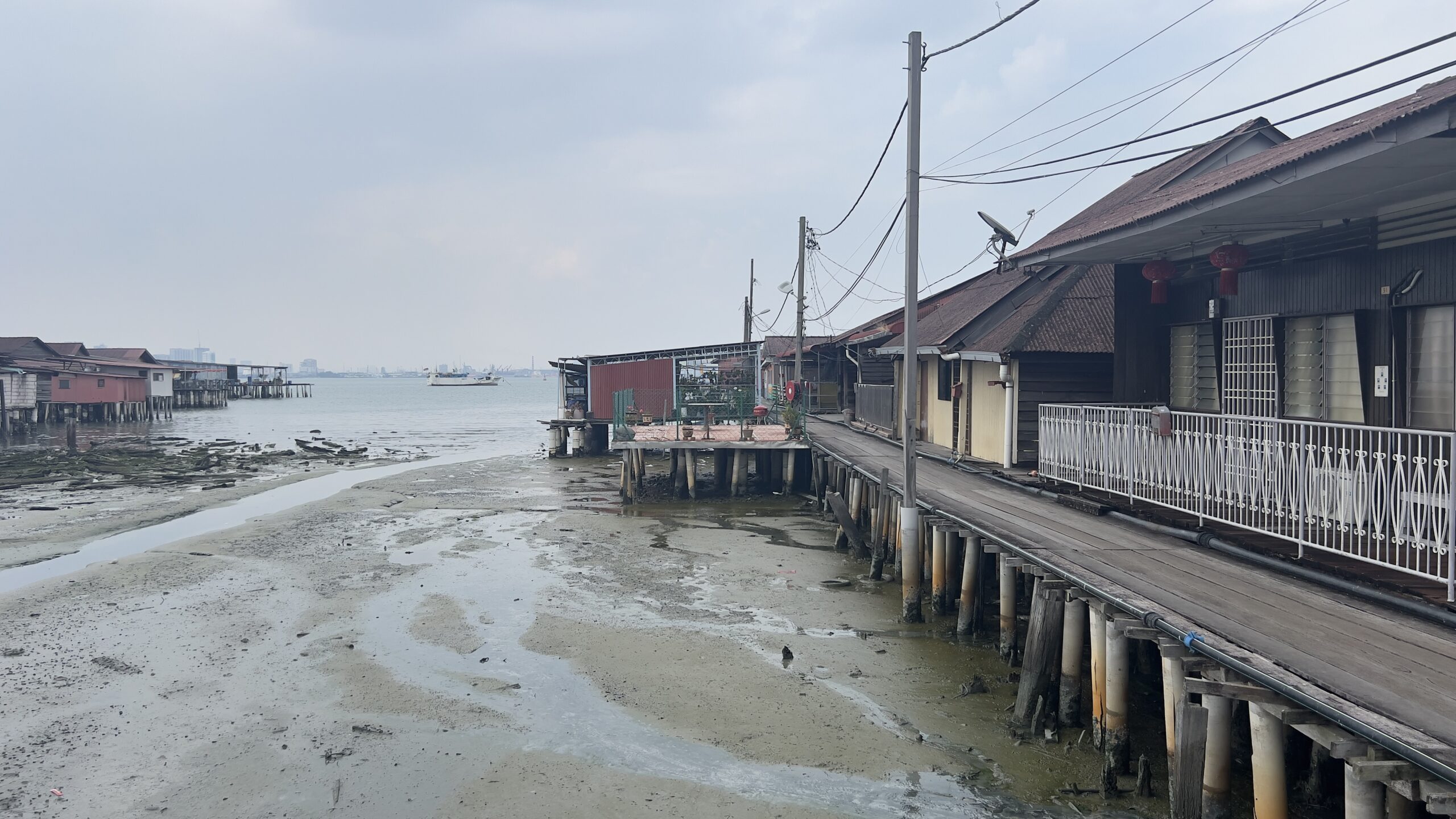
While walking around the centre, it is also worth visiting the Clan Jetties, historic stilt settlements built along the waterfront by Chinese immigrant communities. The best known and most visited is Chew Jetty, where wooden walkways still pass through a small residential community overlooking the Strait of Malacca.
Beaches
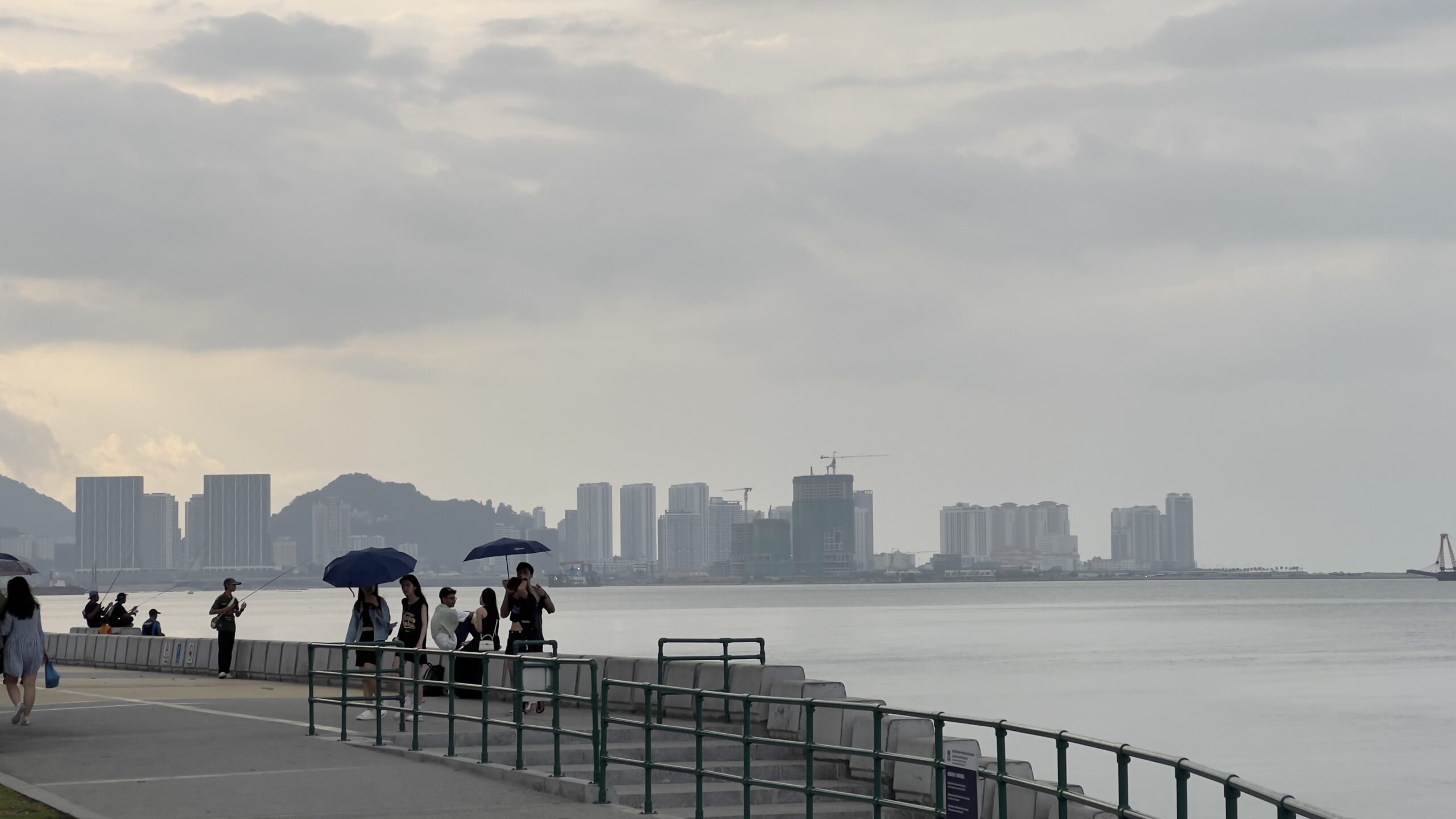
Around 30 minutes from central George Town is Batu Ferringhi Beach, one of Penang’s best-known and busiest beaches, with a long stretch of sand, hotels, restaurants and various water activities.
Continuing north, you reach Teluk Bahang, a small coastal village with one of the entrances to Penang National Park. Several trails cross the forest inside the park and lead to more secluded beaches, including Monkey Beach, which can also be reached by boat.
Unfortunately, we skipped this part of the island because I was unwell, but if you have a few extra days it can be a good alternative to spending all your time in central George Town.
Where to stay in George Town
We stayed at Sunshine House, in an excellent location in George Town’s historic centre. It is simple and clean, with rooms using shared bathrooms. In our opinion, two or three nights are enough to explore George Town and the island’s main attractions, such as Kek Lok Si and Penang Hill. With a few extra days, you can also add the beaches and Penang National Park.
Langkawi
Langkawi is the main island of the archipelago of the same name. It is known for its pale-sand beaches, tropical forests and rocky cliffs. The island offers a mix of nature and relaxation, with opportunities for trips into natural parks, boat tours to nearby islands and outdoor activities. Thanks to its proximity to Penang and other destinations in northern Malaysia, it is often included in the same itinerary.
How to get to and around Langkawi
You can reach Langkawi by either plane or ferry. The international airport is around 20 minutes from Pantai Cenang and has direct flights to Kuala Lumpur, Penang and other Southeast Asian cities. From Penang, the flight is very short, around 35–40 minutes.
If you prefer to travel by sea, ferries to Langkawi mainly leave from Kuala Perlis and Kuala Kedah. We departed from Kuala Perlis, which has the shortest crossing. We recommend buying tickets in advance, especially during busy periods, through the official Langkawi Ferry Line website.
Important: the direct ferry between Penang and Langkawi is no longer operating. If you are coming from Penang and do not want to fly, you first need to travel overland to Kuala Perlis or Kuala Kedah and take the ferry to Langkawi from there.
There is no real public transport network on the island, so it is best to organise your own transport. The most practical option is to rent a scooter, with prices generally around 30–40 MYR per day, or a car, which can be especially good value if you are travelling with other people. Alternatively, you can use Grab or local taxis, which are easiest to find in the main tourist areas. If you use a taxi, always agree on the price before leaving.
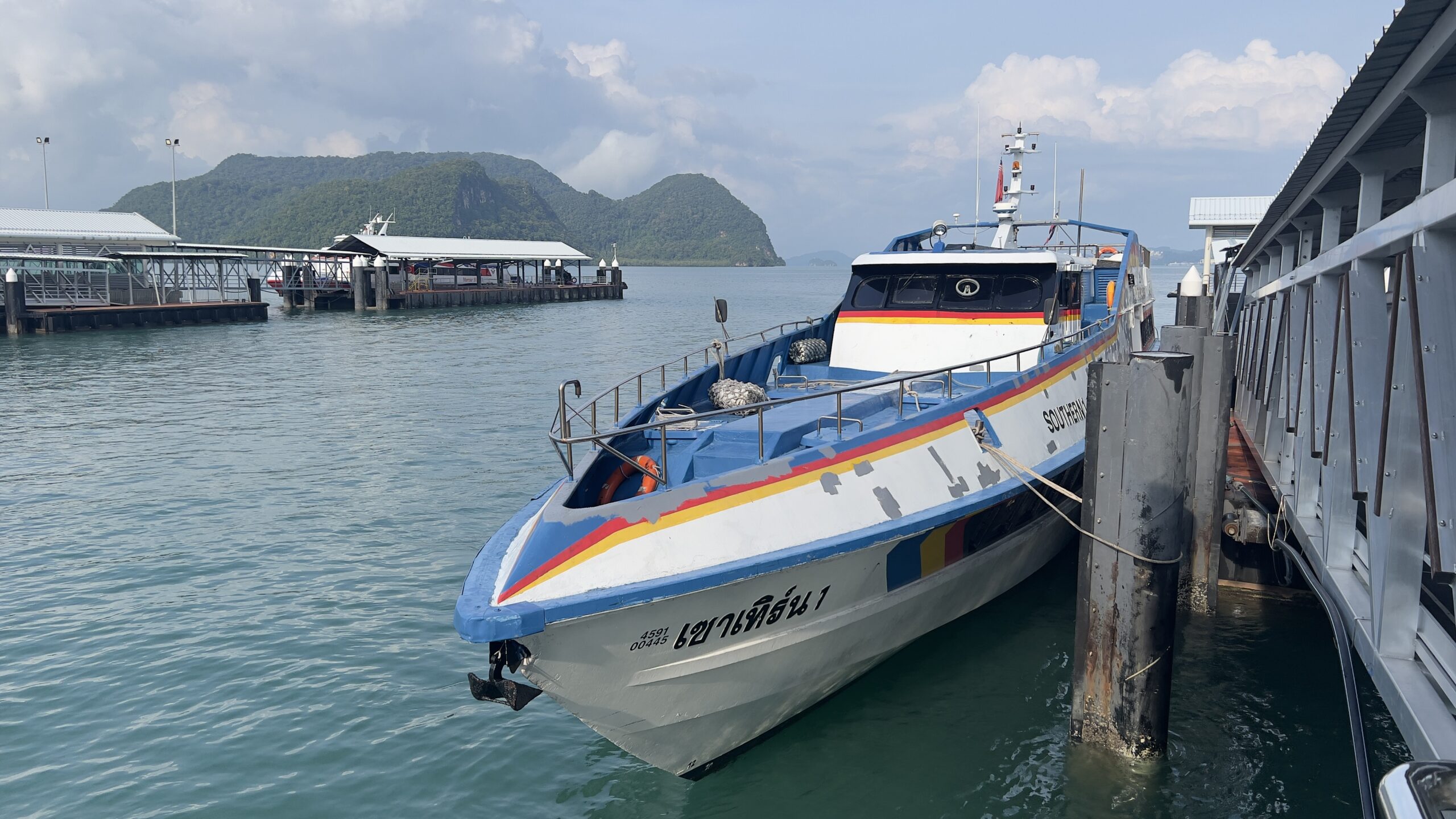
Langkawi–Thailand connections
From southern Thailand, you can also reach Langkawi by sea. The main connection leaves from Satun, a coastal town that is easy to reach from Trang or Hat Yai by bus or minivan. From there, the ferry takes around an hour and a half to reach Langkawi and is one of the most convenient options for travellers moving overland between Thailand and Malaysia.
During the high season, direct connections also operate between Langkawi and Koh Lipe in Thailand, with a crossing of around 1.5 hours. It is a convenient way to travel directly between the two islands without returning to the mainland.
In the low season, reaching Koh Lipe becomes a little more complicated. We ended up taking a real combination of ferry, minivan and speedboat. Local agencies and hostels usually sell the full transfer, so you do not need to arrange each leg separately. The journey is longer, but it is worth it: Koh Lipe is a little paradise.
Things to do in Langkawi
Langkawi is not a huge island and there are not endless things to do. In our opinion, four or five days are enough to explore it at a relaxed pace. The island is mainly about nature, with beaches, waterfalls, mangroves and mountains.
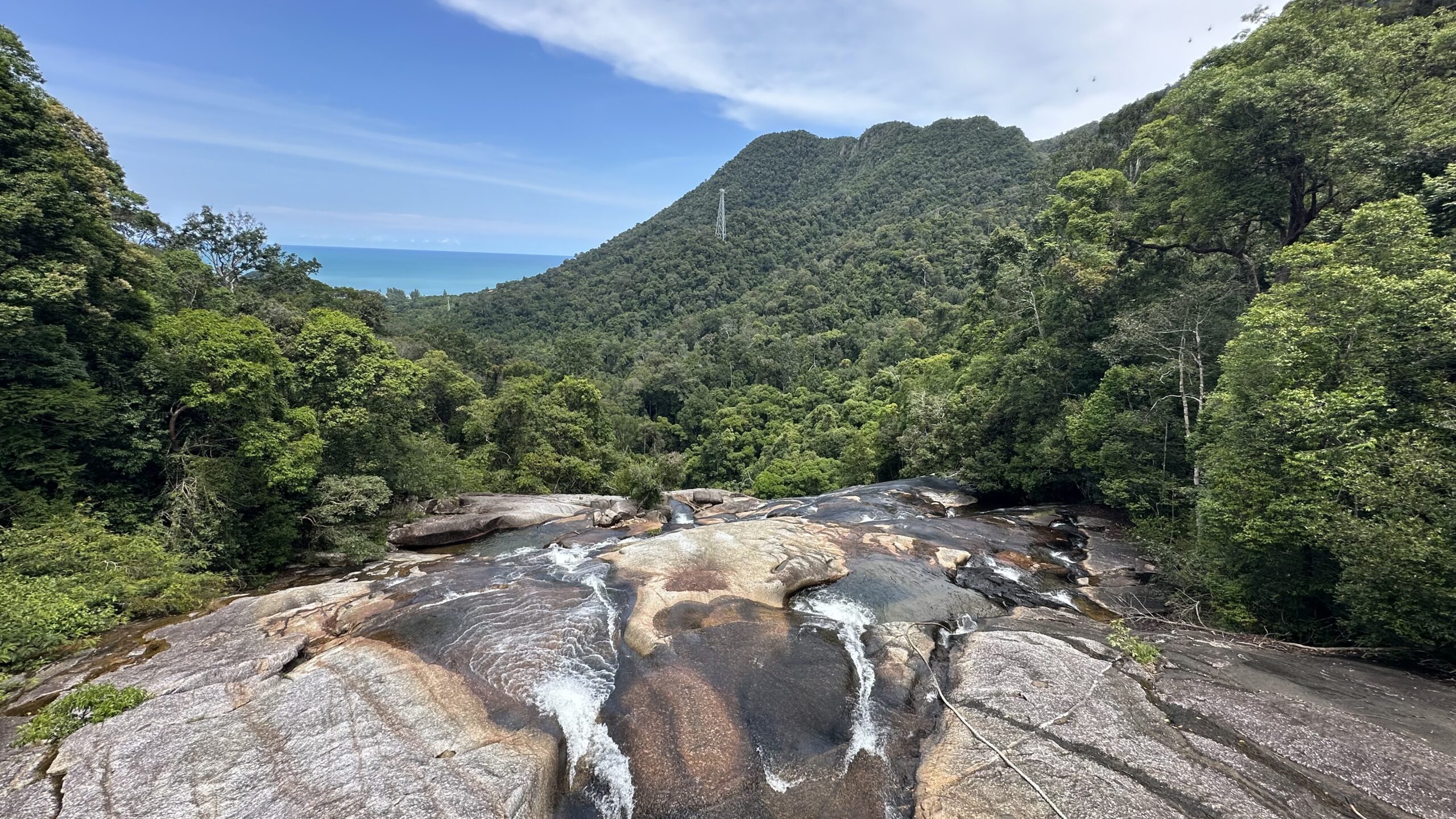
One of the island’s best-known attractions is the Langkawi Cable Car, which climbs towards Gunung Mat Cincang, Langkawi’s second-highest mountain. At the top is the famous Sky Bridge, a suspended walkway between the mountains with views over the surrounding islands and the Andaman Sea.
We are not particularly into this kind of attraction, so we decided not to go up. We did, however, see it from a distance while visiting Seven Wells Waterfall.
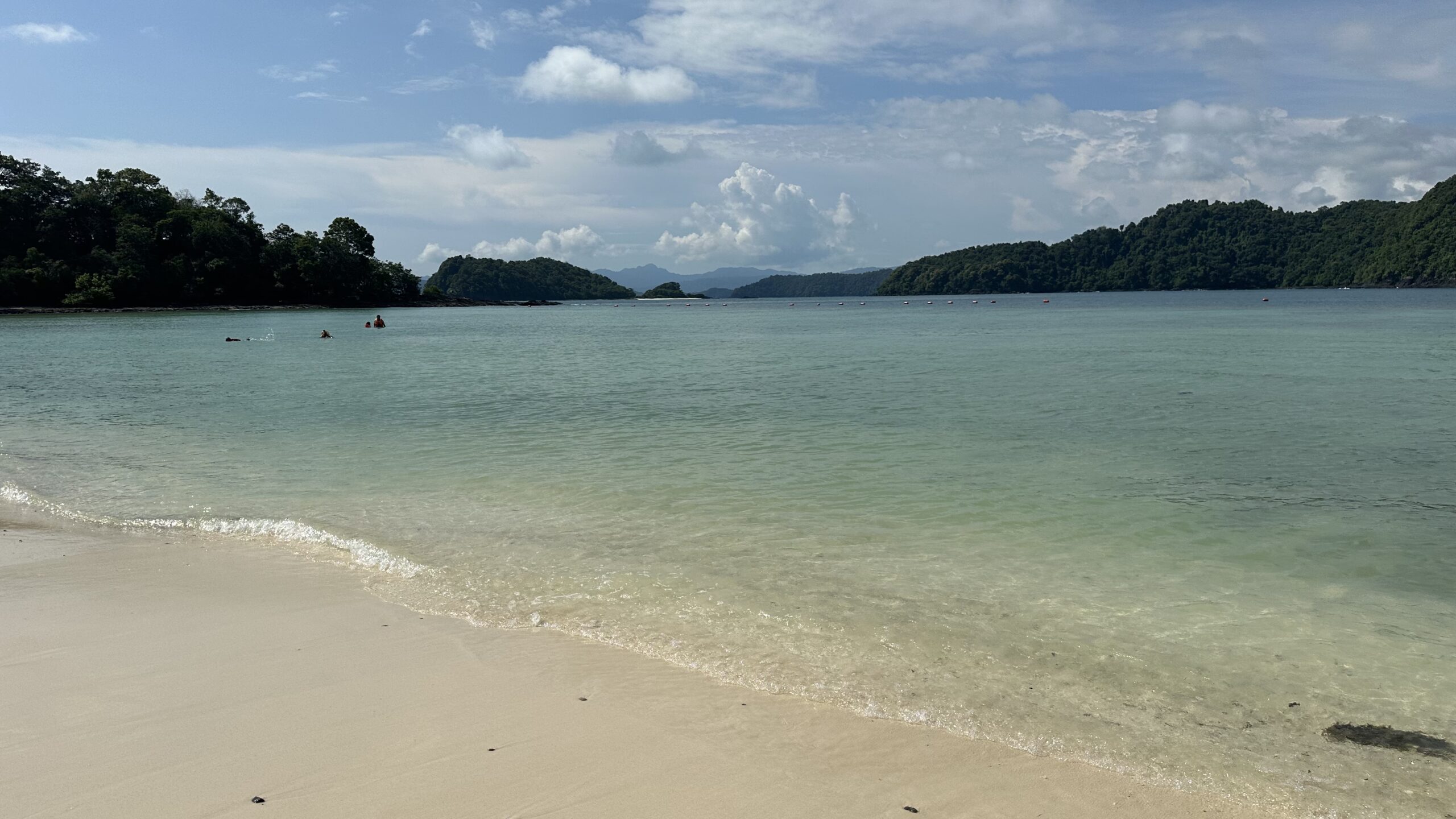
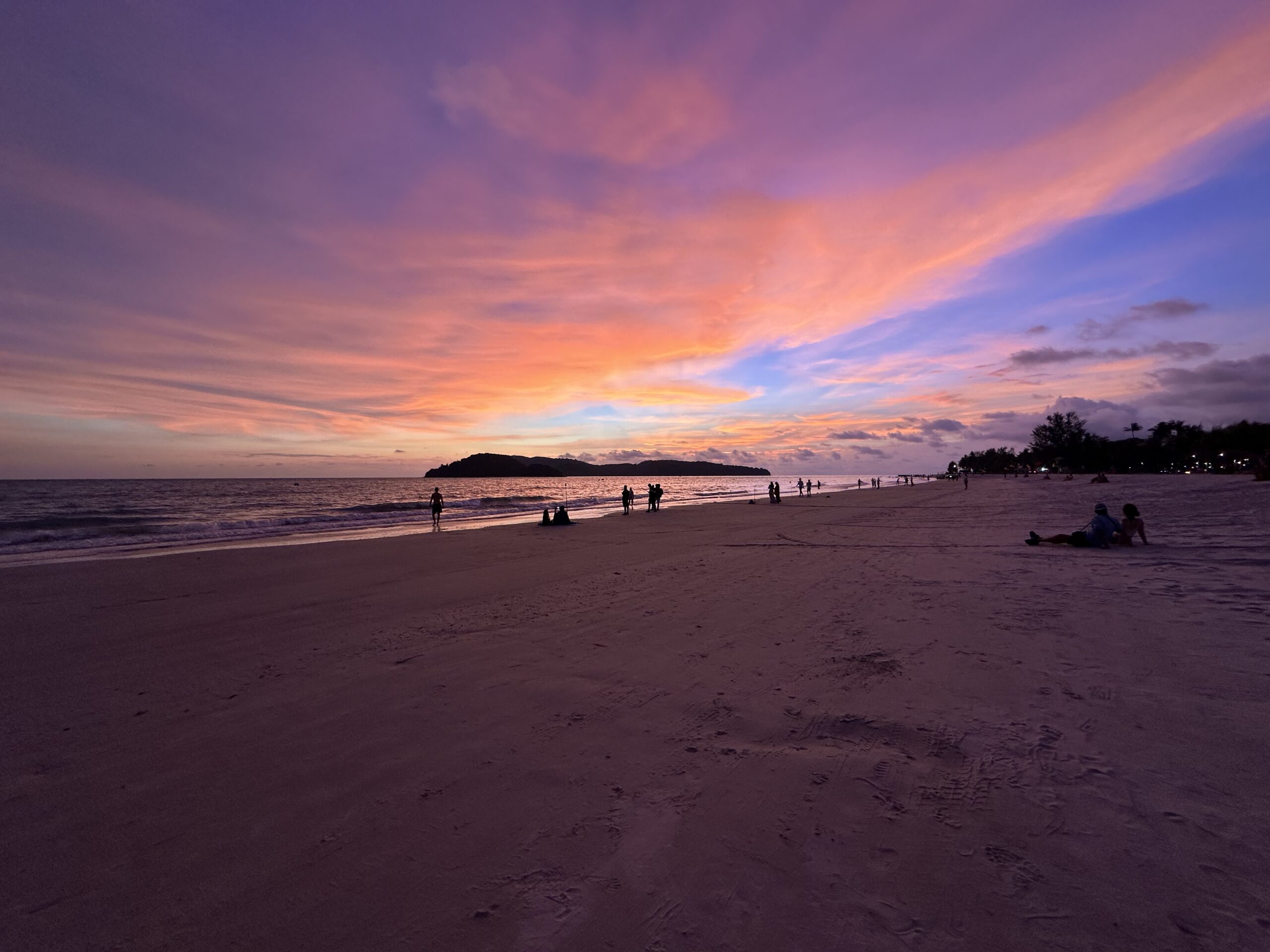
Langkawi’s beaches are easy to access and spread around different parts of the island. The busiest is Pantai Cenang, where you will also find many hotels, restaurants and bars. For a quieter atmosphere, head to Pantai Tengah or Tanjung Rhu, which we found one of the island’s most scenic beaches, with pale sand and generally calm water. The Pantai Kok area, near the cable car, is also quieter and pleasant for a few hours of relaxation.
One thing that surprised us was the water temperature: the sea in Langkawi is incredibly warm, and we are not exaggerating! The beaches and sea are beautiful, although unfortunately we found several areas quite dirty, with rubbish both on the sand and in the water.
In the north-east of the island is Kilim Karst Geoforest Park, one of the natural areas that form part of the Langkawi UNESCO Global Geopark. The landscape is made up of mangroves, limestone formations and narrow waterways. The most common way to explore it is on a boat trip through the mangroves, where you may see eagles, monkeys and bats.
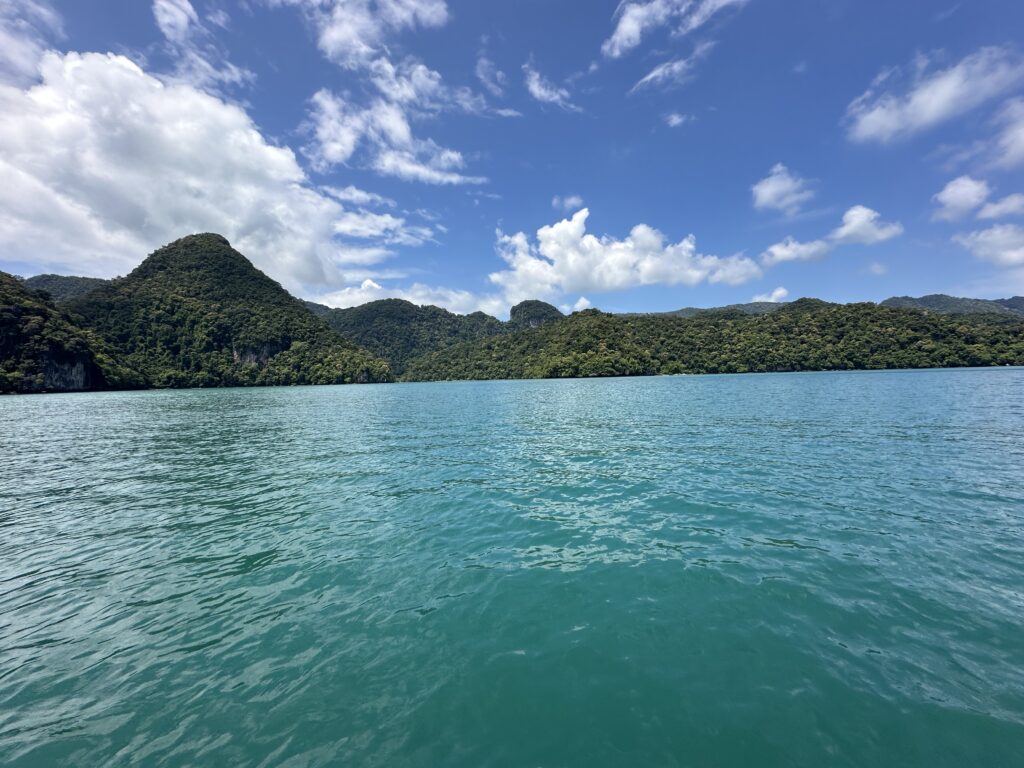
If you want to spend half a day at sea, another popular activity is island hopping, with boat trips to some of the smaller islands around Langkawi. One of the best-known stops is Pulau Dayang Bunting, known as the “Island of the Pregnant Maiden” because of the shape of its hills. The island is home to Dayang Bunting Lake, a freshwater lake where you can swim.
The Langkawi night market takes place in a different location on the island each evening and is one of the nicest things to do after dark. It is a great chance to try local street food at very low prices and browse stalls selling fresh fruit, snacks, sweets and local products.
The markets generally start in the late afternoon and continue until around 22:00. The location changes depending on the day of the week, moving between areas such as Kuah, Pantai Cenang, Padang Matsirat and Ayer Hangat. We therefore recommend asking your accommodation or checking Google Maps to see which market is running on the day of your visit.
Langkawi is also a duty-free island and, beyond the beaches and excursions, many visitors take advantage of the lower prices on alcohol, tea, chocolate and other imported products. We even found some Ritter Sport Limited Edition bars that we had never seen before. In Kuah, the island’s main town, there are several duty-free shops and shopping centres.
Where to stay in Langkawi
We stayed at Rainbow Lodge 101, just a short walk from Cenang Beach. The owners were very kind, and from the property you can rent a scooter and book island-hopping tours and transfers, both around the island and to Thailand.
One tip: definitely book a room with air conditioning. We chose one with only a fan and were absolutely roasting.
Back to our complete Malaysia travel guide