
Our trip to China began in Beijing, the country’s capital and the city where we spent the most time. Huge, chaotic and full of history, it was our first real introduction to China and to all those everyday details that had seemed far more complicated before we arrived.
From the Forbidden City and Tiananmen Square to hutongs, temples and the Great Wall, there is a lot to see in Beijing. In this guide, we share everything we learned during our stay: how to get around, where to stay and, above all, the best things to do in Beijing.
How to get around Beijing
We arrived at Beijing Daxing International Airport (PKX), around 50 km south of the city centre. The Daxing Airport Express connects the airport with Caoqiao Station, a major interchange on Beijing’s metro network. From there, you can simply take the most convenient metro line to your accommodation. The transfer is straightforward, fast and inexpensive.
Once you are in the city, the metro is by far the best way to get around Beijing. The network is huge, trains are frequent and fares are cheap. We bought individual tickets from the machines in the stations, which were easy to use and also available in English.
There is also the Beijing Transportation Smart Card (Yikatong), a rechargeable card that can be used on public transport. For a stay of only a few days, though, we do not think it is essential. Buying individual tickets is simple and we never had any particular problems.
For shorter distances, we walked. Just keep in mind that Beijing is enormous, and distances can be much greater than they appear on the map.
Things to do in Beijing
Beijing is a huge city with a long list of places worth seeing. From major historic sites to old hutongs, these are the best things to do in Beijing and the places we visited during our time in the city.
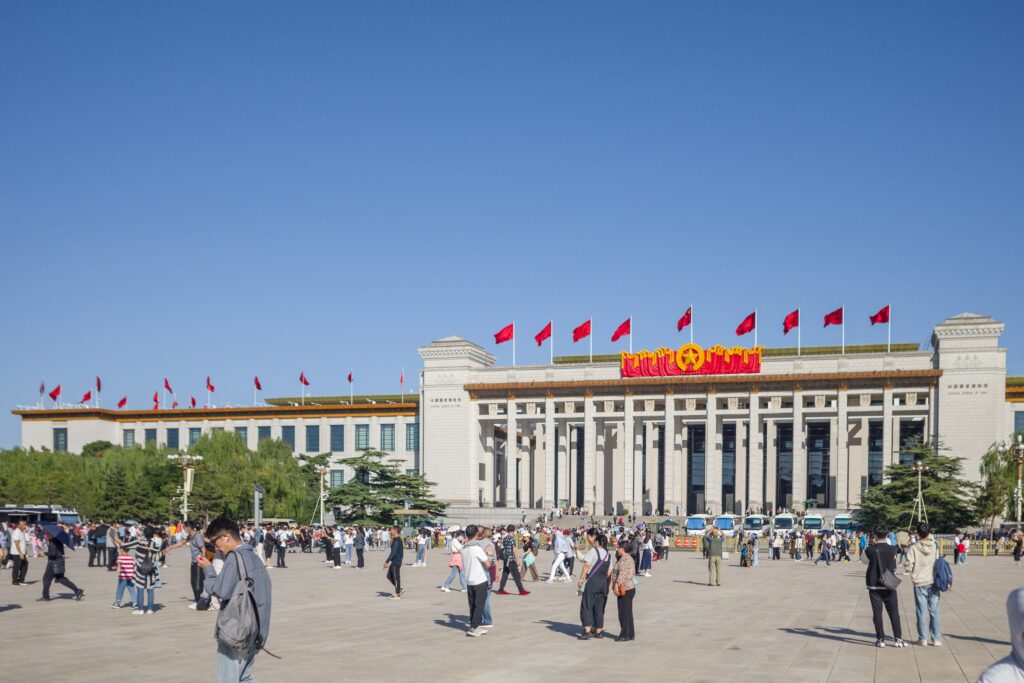
Tiananmen Square
Tiananmen Square is one of the first places to see in Beijing. Located in the heart of the city, it takes its name from the Tiananmen Gate on its northern side, which separates the square from the Forbidden City. The square is also known worldwide for the events of 1989, when protests that had begun in April ended in a violent military crackdown on the night of 3–4 June.
Practical information: entry to Tiananmen Square is free, but you need to book in advance. Reservations can be made through the WeChat mini-program “Tian’anmen Square Reservation” by entering your personal details and passport number.
During our trip, we booked using a QR code near the entrance. Since the whole process was in Chinese, one of the guards helped us. Today, we still recommend booking before your visit and bringing your passport, which is also required for security checks.
Forbidden City
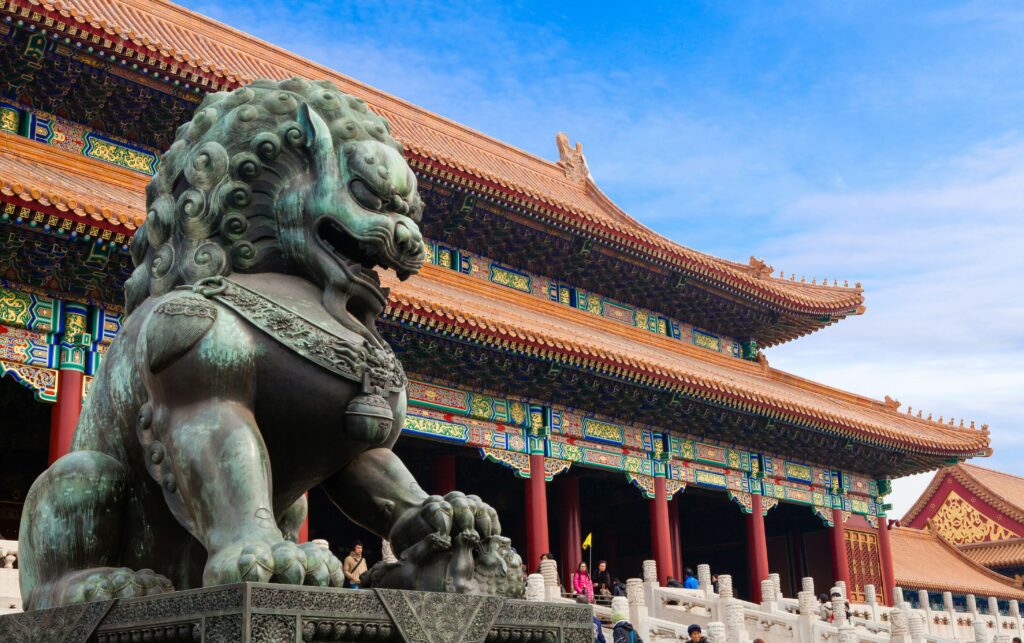
The Forbidden City is directly opposite Tiananmen Square, so we recommend visiting both on the same day. Built between 1406 and 1420, it served for almost five centuries as the imperial palace of the Ming and Qing dynasties and as the political and ceremonial centre of the Chinese Empire. The complex is enormous, with almost 1,000 buildings spread across more than 720,000 m², and it has been a UNESCO World Heritage Site since 1987.
Practical information: admission costs 60 RMB from April to October and 40 RMB from November to March. The Forbidden City is one of Beijing’s most visited attractions, and tickets can sell out quickly. We therefore recommend booking as soon as sales open.
During our trip, we booked through WeChat, but foreign visitors can also buy tickets through the official Palace Museum website. Make sure you enter the correct passport number when booking and bring that passport with you on the day. The complex is huge, so allow at least 2–3 hours, and longer if you want to explore it at a relaxed pace.
Jingshan Park
Jingshan Park is directly opposite the north exit of the Forbidden City, along Beijing’s central axis. It therefore makes sense to visit it on the same day as Tiananmen Square and the Forbidden City. Once you leave the palace complex, you only need to cross the road.
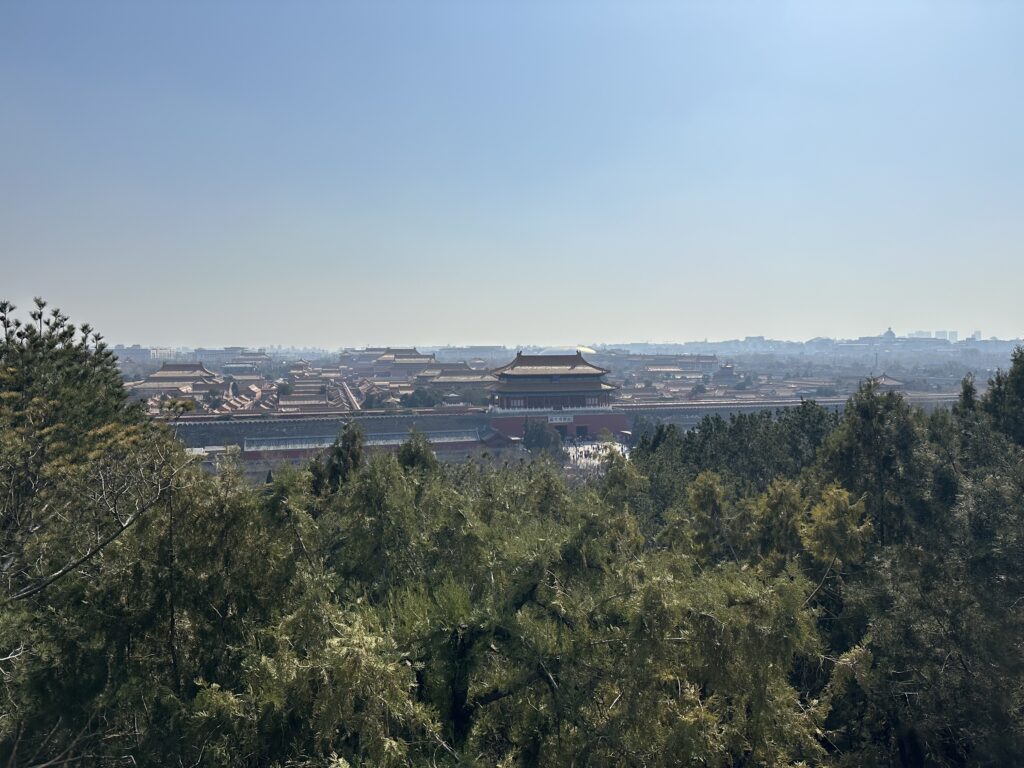
The park sits on an artificial hill about 45 metres high, partly built using earth excavated from the moats around the Forbidden City. It was once an imperial garden and is now a public park. The main reason to climb to the top, though, is the view: from here you get one of the best panoramas of the Forbidden City, especially on a clear day.
Practical information: admission costs only a few yuan and tickets can be bought on the spot. The climb is short and not particularly demanding.
The Mao Zedong Mausoleum and the National Museum of China are also in the Tiananmen Square area. We did not visit them, but if you have more time they are two additional stops you could add to the day.
Summer Palace
The Summer Palace is one of Beijing’s most important imperial complexes and one of the best-preserved imperial gardens in China. It covers almost 300 hectares, much of it occupied by Kunming Lake. One of its most recognisable landmarks is the Tower of Buddhist Incense. During the Qing dynasty, the imperial family used the complex as a retreat during the hot summer months, away from the Forbidden City. It has been a UNESCO World Heritage Site since 1998.
Practical information: during our trip, we booked through WeChat with help from someone at our hotel. The Summer Palace is around 15 km from central Beijing, so allow roughly an hour to reach it by public transport and at least half a day for the visit.
There are several ticket types depending on which areas you want to visit, so check current prices and booking options before you go.
One tip: do not stop at the main buildings. If you have time, walk around Kunming Lake. It is a pleasant 6–7 km walk that lets you see the complex from completely different perspectives.
Other areas worth seeing in central Beijing
Besides the main attractions, we also explored a few areas of Beijing that are worth adding to your itinerary, especially if you have a few extra days.
Wangfujing Street
Wangfujing is one of Beijing’s best-known and busiest shopping streets. It is a long pedestrian avenue lined with shops, shopping centres and restaurants, and it is especially pleasant in the evening when the area comes to life.
Beijing hutongs
The hutongs are a maze of lanes and narrow streets lined with traditional courtyard houses. Walking through them reveals a completely different side of Beijing, far from the wide avenues and modern skyscrapers.
In our opinion, the best way to explore them is simply to wander through the lanes on foot and watch everyday life unfold around you.
Bell Tower and Drum Tower
The Bell Tower and Drum Tower stand opposite each other and are surrounded by some of the city’s most interesting historic hutongs. In the past, they were used to mark the hours of the day with drums and a large bronze bell. The area around the towers is especially pleasant to explore on foot and combines easily with a walk through the hutongs.
Panjiayuan Antique Market
The Panjiayuan Antique Market, also known as the Dirt Market, is one of Beijing’s most famous antique markets. It is huge, and its stalls sell porcelain, teapots, jade objects, paintings, coins, books, handicrafts and almost anything else you can imagine. We particularly liked it because, compared with the city’s best-known attractions, we saw very few Western tourists. Admission is free.
Beijing Central Business District
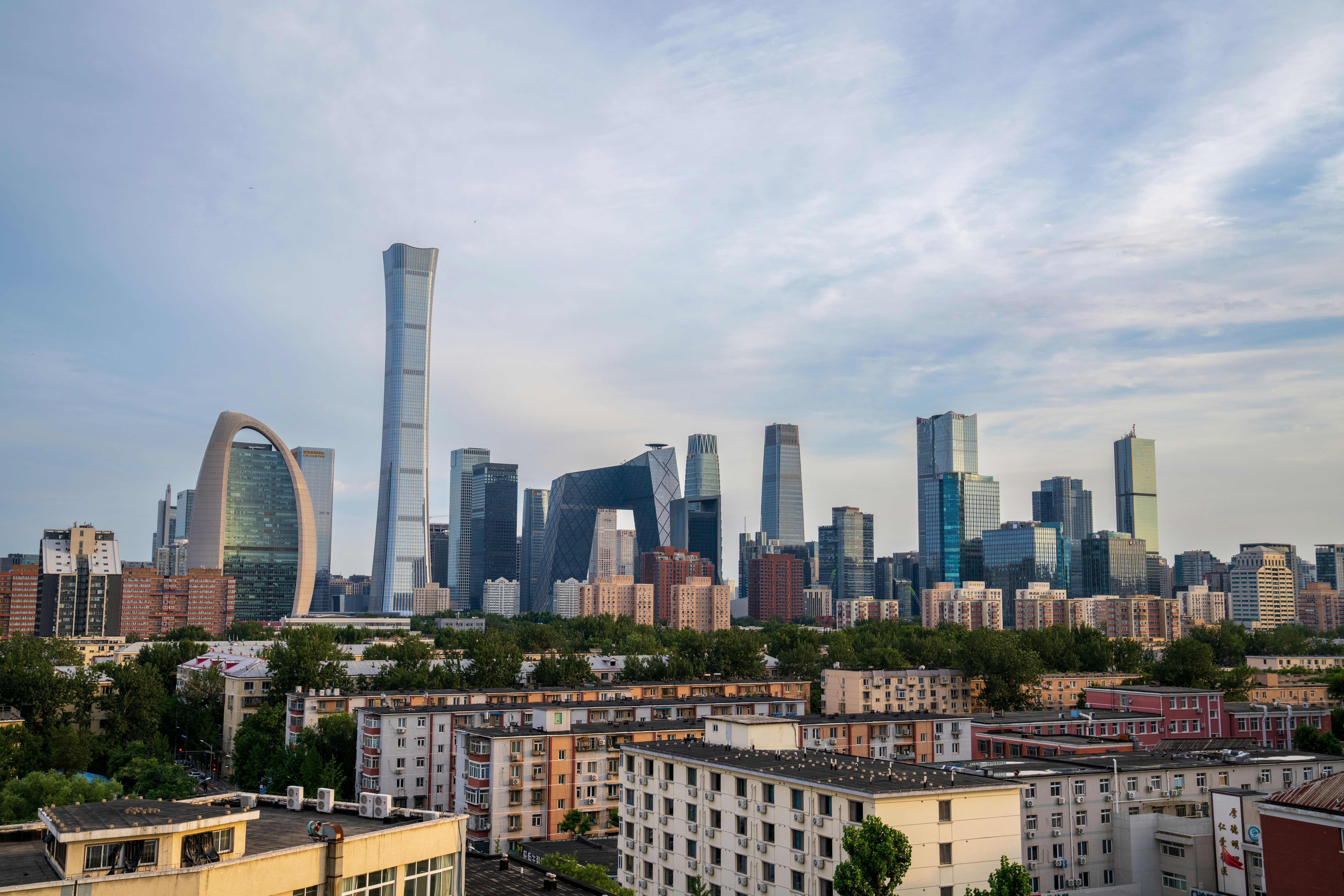
Beijing’s Central Business District, in Chaoyang, shows a completely different side of the capital. Skyscrapers, shopping centres and huge contemporary buildings replace hutongs, temples and imperial palaces. We would not call it a must-see, but if you have time it can be interesting to visit and experience the contrast between historic and modern Beijing.
The Great Wall of China
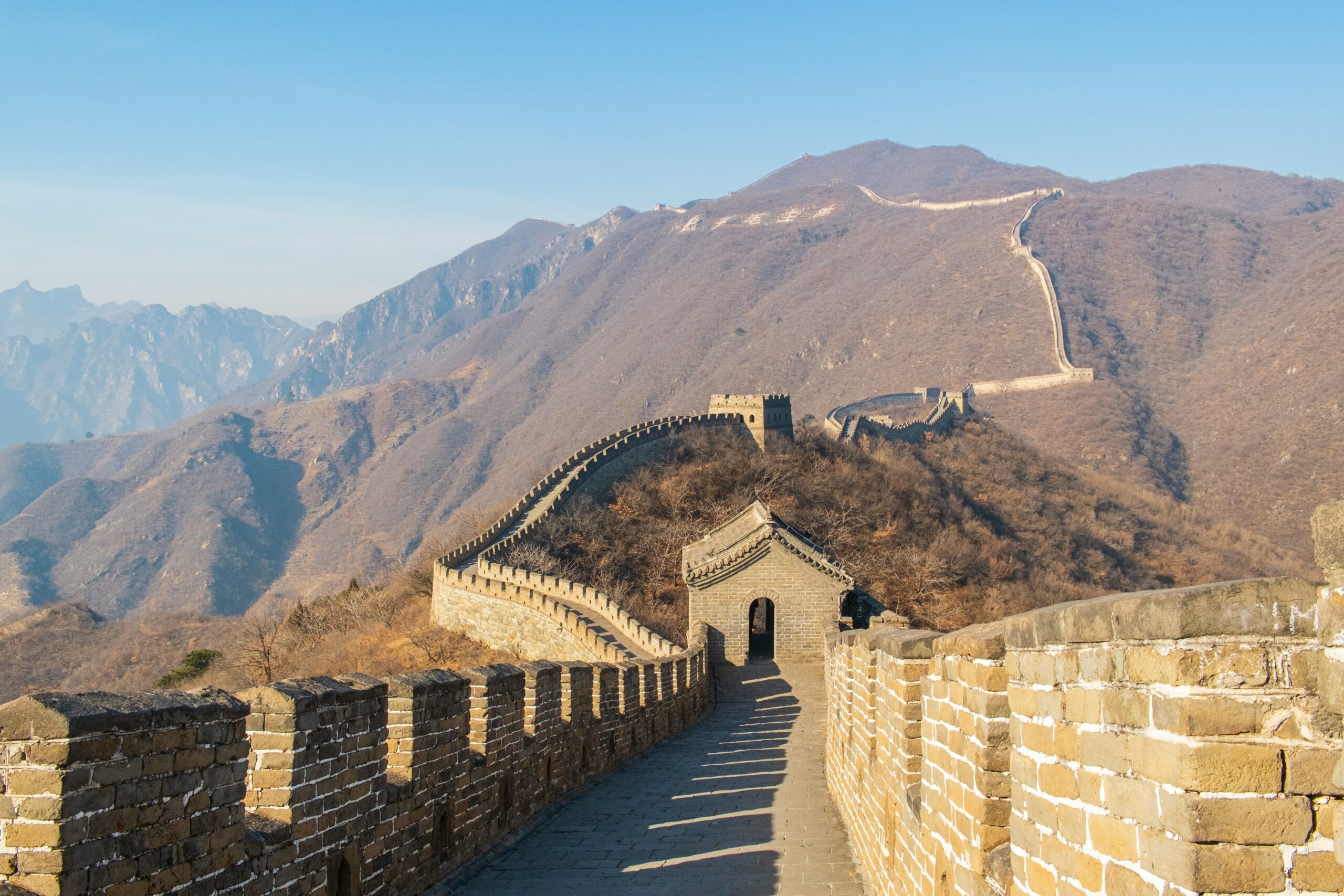
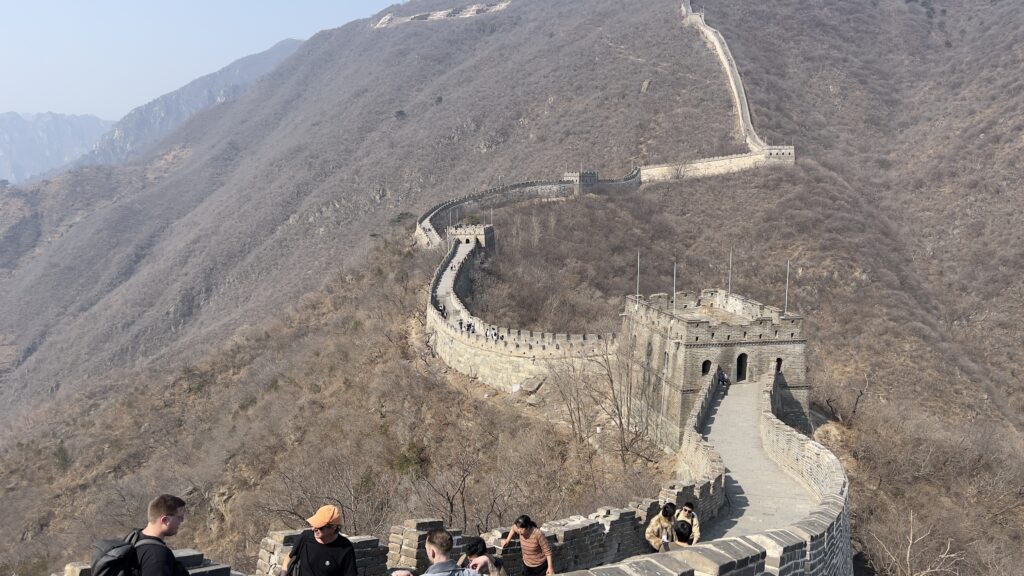
One of the main reasons we wanted to travel to China was to see the Great Wall. It had been a dream of ours for a long time, and seeing it in person exceeded every expectation. Construction began more than two thousand years ago and continued under several dynasties until the 17th century. Including all the sections and branches built over the centuries, the Great Wall extends for more than 21,000 km. It has been a UNESCO World Heritage Site since 1987 and has been recognised as one of the New Seven Wonders of the World since 2007.
Practical information: the Great Wall is enormous and can be visited at several different sections. Since we had only a few days, after a lot of research we decided to join an organised tour from Beijing.
We usually avoid this kind of excursion, but in this case it worked very well. We had enough free time to explore the Wall on our own, and the guide spoke good English, which was not always something we could take for granted during our trip.
We booked through Civitatis, which offers several Great Wall excursions. We chose this Great Wall tour, where you can also check current prices, what is included and the available options. The day before the excursion, the guide contacted us on WeChat with the meeting point and everything we needed to know for the day.
Where to see the Great Wall near Beijing
Mutianyu and Badaling are among the most popular sections and the easiest to reach from Beijing, so they are also among the busiest. Other sections, such as Jinshanling, Jiankou and Simatai, are farther from the city and require a little more planning.
We chose Mutianyu and walked the section between watchtowers 15 and 20, turning left after getting off the cable car. In our opinion, this was the most beautiful part of the visit.
You can also walk up to the Wall, but since we only had a few hours, we chose to take the cable car. The ride also gives you a fantastic view of the Wall winding through the mountains.
On the other side, you can descend using the famous toboggan, a long slide that takes you back towards the lower part of the site. Both the cable car and the toboggan were optional extras and were not included in the price of our tour.
Once on the Wall, we had around three hours of free time, which was more than enough to explore our chosen section at a relaxed pace. During our trip in March 2024, the organised excursion, lunch and cable car came to about €47 per person.
Where to stay in Beijing
Beijing has accommodation for every budget, from inexpensive hostels to high-end hotels. We stayed at the Zhong An Hotel, in a central location that made it easy to get around by public transport. The hotel is close to Beijing Railway Station and the Chongwenmen metro stop. Our room was clean and had everything we needed, and the staff were always helpful. The reception team did not speak English, but they used a real-time translation device, so we had no difficulty communicating. There is also a restaurant inside the hotel.
Back to our complete China travel guide