
Java, home to more than 150 million people, is Indonesia’s most populous island and one of the most densely populated places in the world. If you are wondering what to see in Java, you will find an incredibly varied island: big cities, rice fields, temples, waterfalls and some of the country’s most striking volcanoes.
Many of the main stops lie in central and eastern Java: Yogyakarta and the temples of Borobudur and Prambanan, Mount Bromo, Tumpak Sewu waterfall and the Ijen volcano. With Bali close by and plenty of train connections, Java is also fairly easy to explore independently.
How to get around Java
You can reach Java by air or sea. Jakarta and Surabaya are the main gateways for flights, though the island has several other domestic airports. If you are traveling overland through Indonesia, you can also take a ferry from Sumatra across the Sunda Strait or from Bali, between Gilimanuk and Ketapang near Banyuwangi.
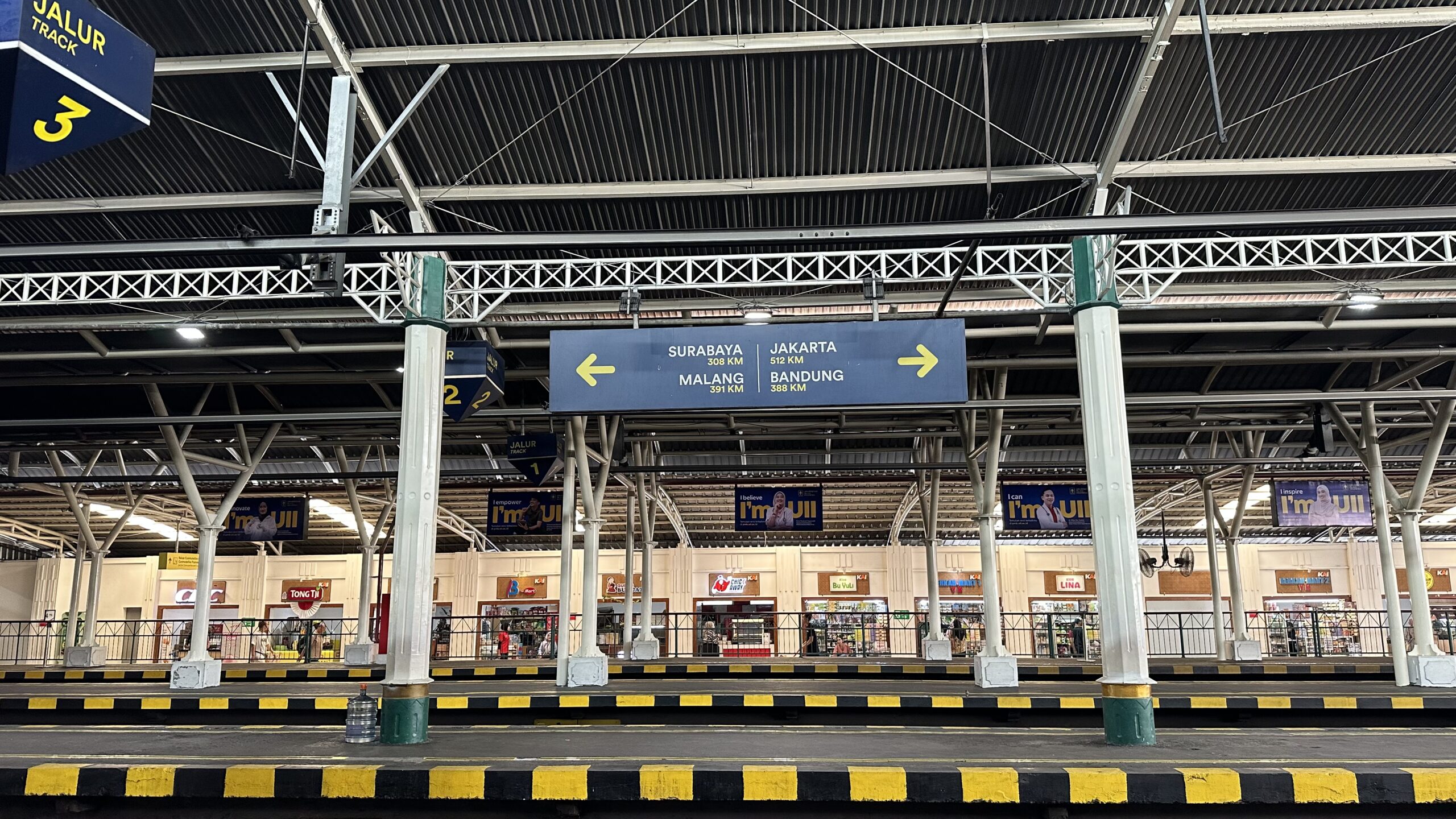
Once on the island, we think the train is the best way to cover long distances. Rail services connect many of the major cities, trains are comfortable and affordable, and several classes are available. We booked our tickets through Traveloka, which we found straightforward to use.
Where the trains do not go, you can use buses and minivans. In the cities, Grab and Gojek are convenient and usually inexpensive. You can also rent a scooter to explore around individual stops.
Things to do in Java
Java is enormous and there is plenty to see, but for a first trip we suggest focusing on central and eastern Java. Our route took us from Jakarta to Banyuwangi, through temples, volcanoes and waterfalls, before we continued to Bali.
Jakarta
We started in Jakarta, then traveled east across Java. Even if the city is only a brief stop on your route, there is enough to see to make a day or two worthwhile.
How to get to and around Jakarta
Jakarta has Indonesia’s main international airport and is a common starting point for a Java trip. If you are continuing by rail, many long-distance services leave from Gambir station in the city center.
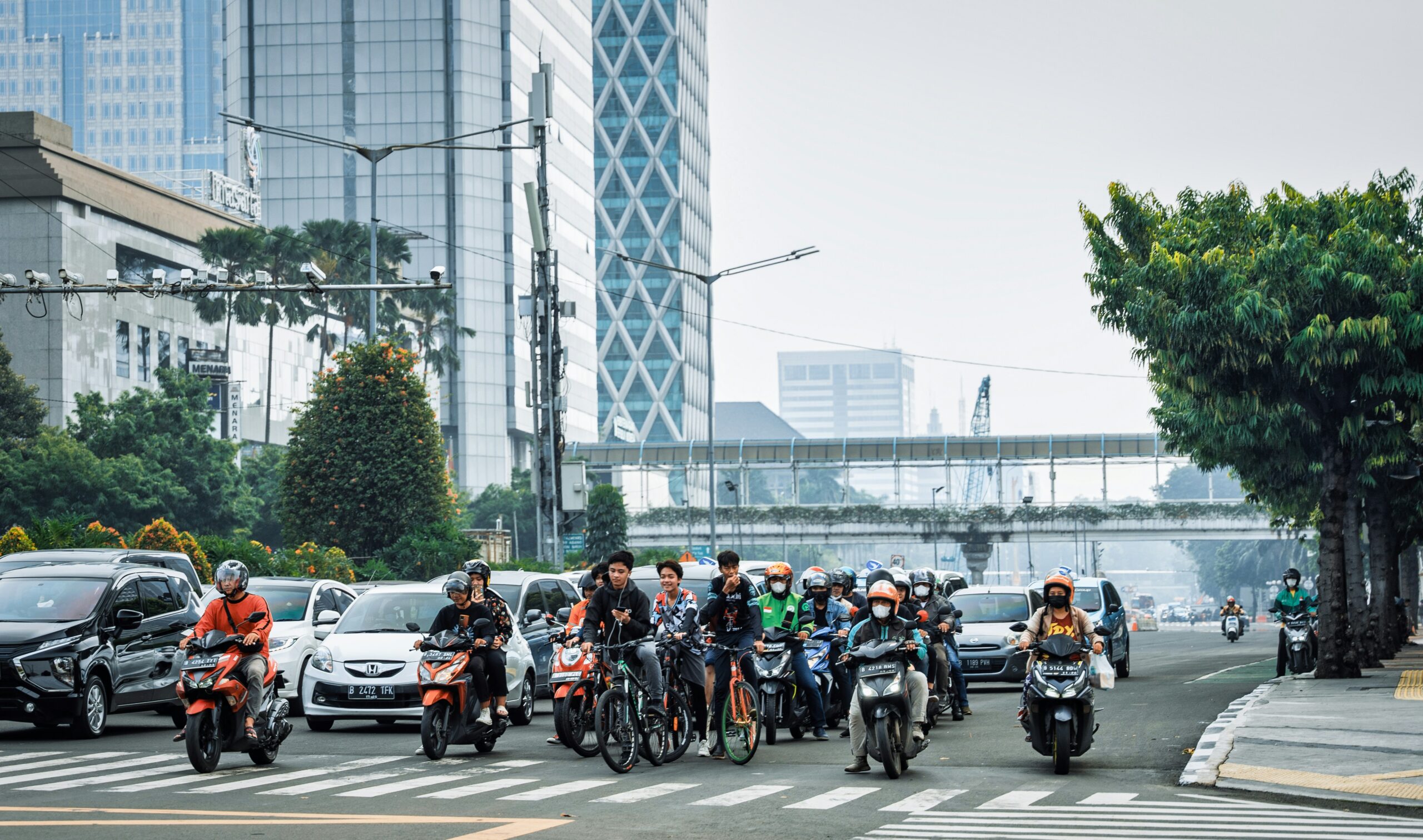
Within Jakarta, you can use public transport or Grab and Gojek. The apps are especially handy given the city’s size and traffic.
Things to do in Jakarta
One of the most interesting areas is Kota Tua, Jakarta’s old town. Around Fatahillah Square you will find buildings dating from the Dutch colonial era. Visit the Jakarta History Museum and Museum Bank Indonesia, or simply wander through the neighborhood.
Closer to the center stands Monas, the large monument commemorating Indonesian independence, with views over Jakarta from the top. Nearby are Istiqlal Mosque, the largest mosque in Southeast Asia, and Jakarta Cathedral, facing each other across the street.
Where to stay in Jakarta
We spent one night at Konko Hostel, though in hindsight we would happily have stayed one more. Its location is especially convenient if you are traveling by train, as it is close to the station.
The hostel also organizes free city outings, where everyone pays only for what they eat or drink. On our first evening, Kenya, a member of staff, took us and a group of other travelers to a small local warung for rendang. It was a lovely evening and an easy way to meet people.
Yogyakarta
Yogyakarta, often called Jogja, is one of the main stops on a Java itinerary. It is an important cultural center and particularly well known for its proximity to Borobudur and Prambanan, two of Indonesia’s most significant temple sites.
How to get to and around Yogyakarta
Yogyakarta is well connected to Java’s main cities. From Jakarta, Bandung or Surabaya, the train is a convenient choice. We traveled straight from Jakarta and booked on Traveloka, as we did for almost all our train journeys on Java. If you are coming from farther away, you could take a domestic flight to Yogyakarta’s international airport.
To get around the city, use Grab or Gojek, or rent a scooter for more freedom. You can visit Borobudur and Prambanan independently or join one of the many tours arranged by guesthouses and hostels.
Things to do in Yogyakarta
In our view, one day is enough for Yogyakarta’s main sights. These include the Sultan’s Palace (the Kraton), nearby Taman Sari and Malioboro Street, one of the city’s liveliest streets.
We also spent a day with a local friend and her mother, who showed us a more everyday side of Yogyakarta. We visited Ngasem Traditional Market, Kudil Plaza, which has a street-food market in the evening, and a few small temples away from the usual tourist circuit.
Borobudur Temple
About 40 km from Yogyakarta, Borobudur is the world’s largest Buddhist temple and, for us, one of the places you should not miss in Java. Built between the eighth and ninth centuries, it has a series of stacked terraces decorated with thousands of reliefs and crowned by its distinctive stupas.
Entry arrangements have changed several times. To climb the temple structure you need a specific ticket; a grounds-only ticket does not include access to the upper terraces. Places on the structure are limited and visits are scheduled, so it is wise to book ahead, especially in peak season.
A dedicated Borobudur sunrise ticket is available again, with limited places and a higher price than ordinary entry. Rules and prices can change, so check the official Borobudur booking site before your visit.
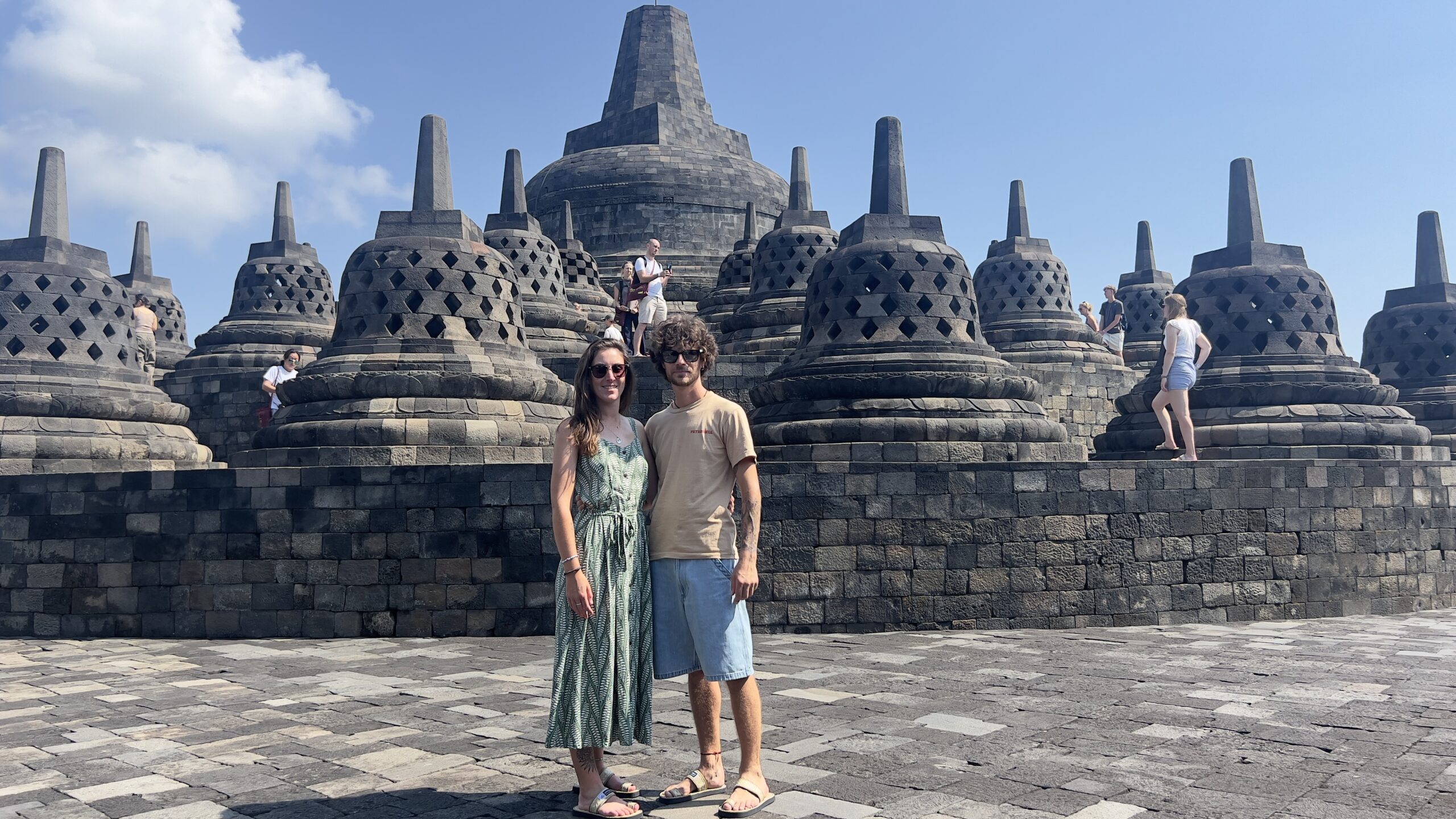
From Yogyakarta, you can reach Borobudur by public transport, rented scooter or tour. We arranged our visit through our hostel, combining Borobudur and Prambanan in one day.
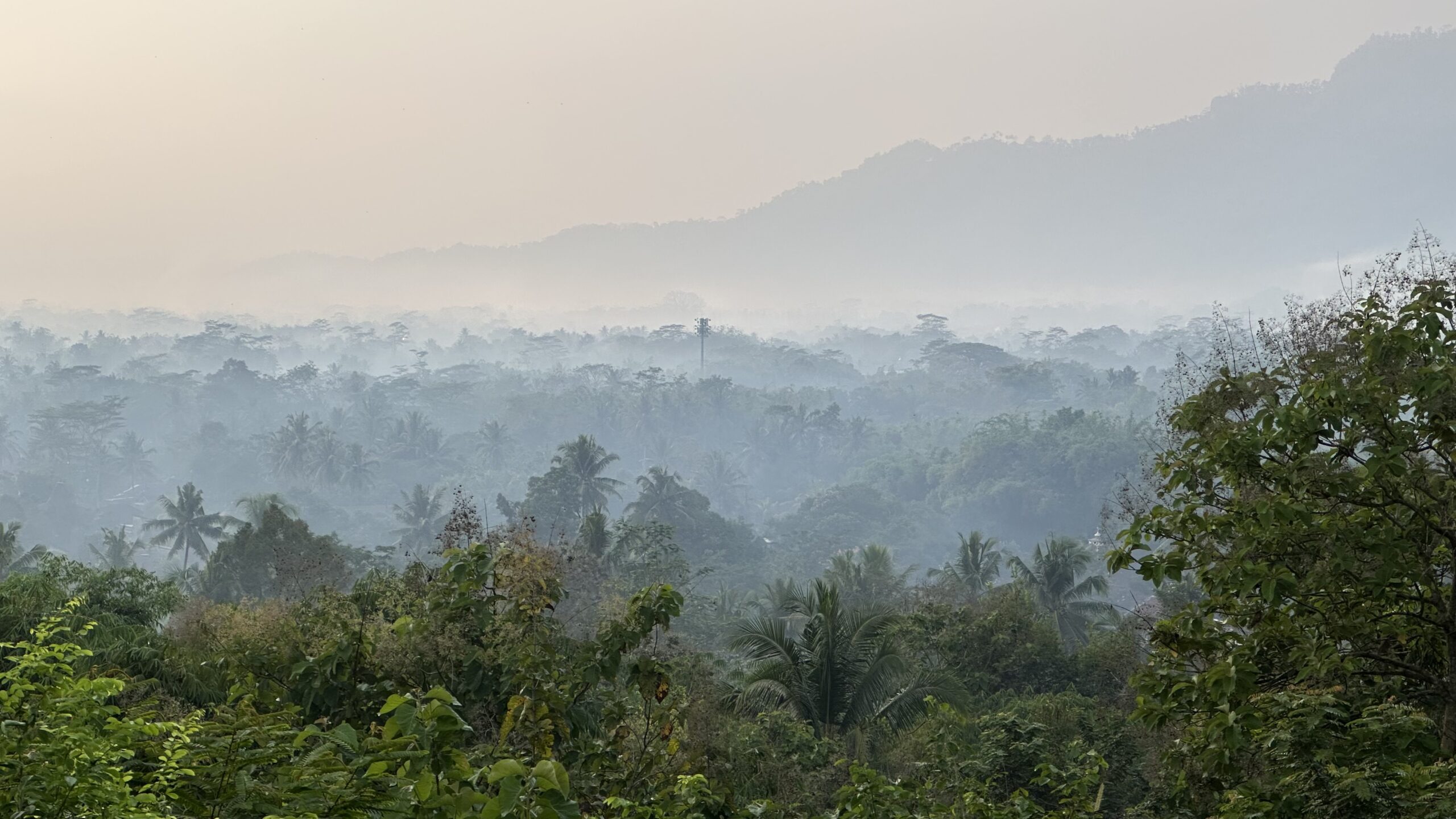
When we visited Java in 2025, we could not watch the sunrise from the top of the temple, so we went to a viewpoint on a hill opposite Borobudur instead. There was a lot of mist, and we could barely make out the stupas in the distance, but it was still a memorable morning.
Prambanan Temple
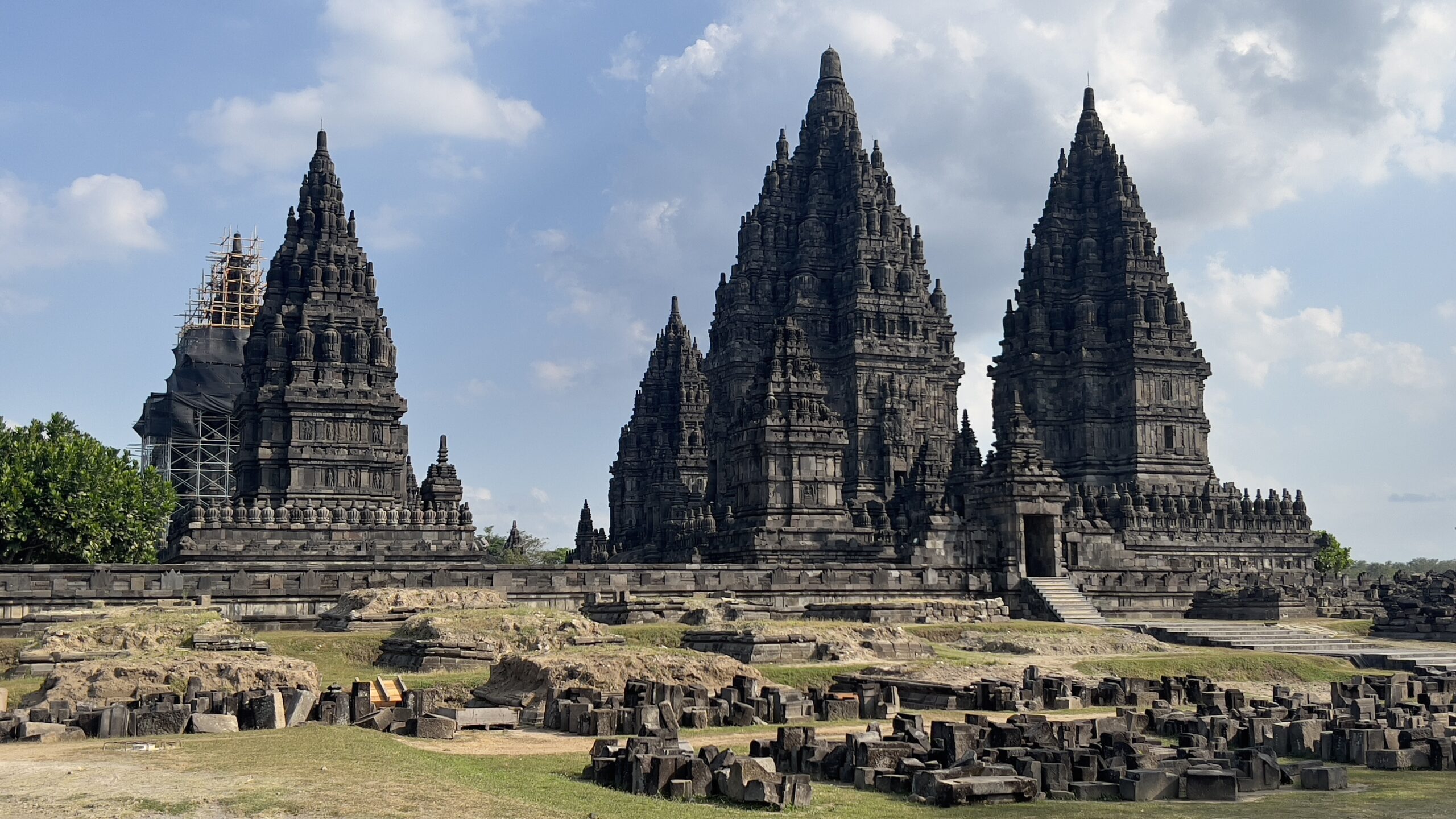
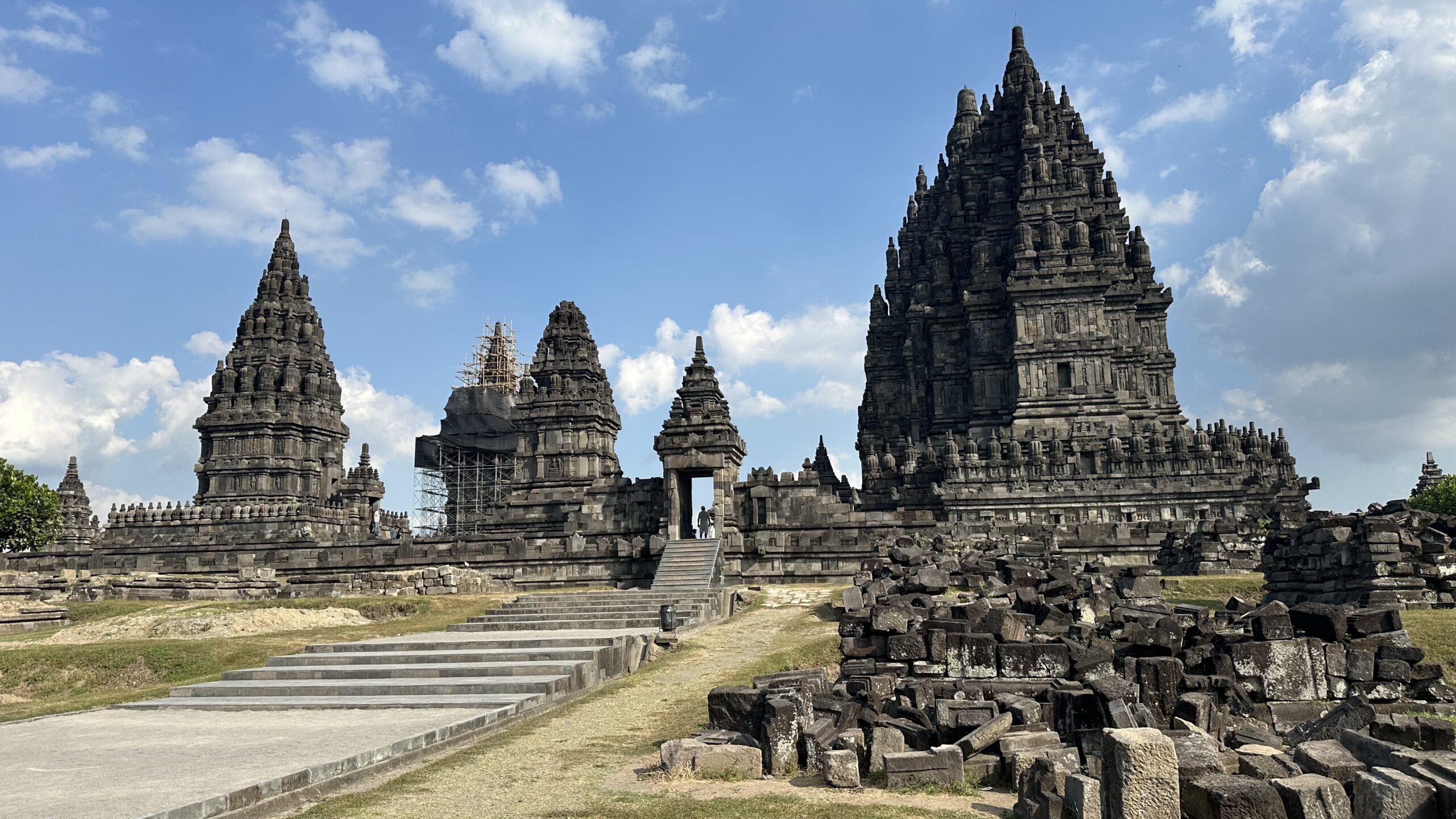
Around 20 km from Yogyakarta, Prambanan is Indonesia’s largest Hindu temple complex and, together with Borobudur, one of our favorite visits on Java. Built in the ninth century, it originally comprised hundreds of temples, many of which were damaged or destroyed over the centuries by earthquakes and volcanic eruptions.
At its heart are tall towers dedicated to major Hindu deities, including Shiva, Vishnu and Brahma. Although it is often overshadowed by Borobudur, we think Prambanan is well worth visiting. Allow a couple of hours to explore the complex without rushing.
Prambanan is much closer to Yogyakarta than Borobudur, so you can visit independently or include it in the same tour. Check current prices and entry rules on the official ticket website before you go.
There are many other places to explore around Yogyakarta, including Mount Merapi, Jomblang Cave, Timang Beach and the Dieng Plateau. We concentrated on the city, Borobudur and Prambanan, so we have not visited those places ourselves. If you have more time, this guide has ideas for exploring beyond the city.
When we return to Java, we would like to spend more time in this area and update the guide with what we discover.
Where to stay in Yogyakarta
We spent four nights at Prambanan Guest House, a simple guesthouse with a pool in Prawirotaman, an area with plenty of restaurants and bars. We enjoyed staying there and recommend it for its good value.
In hindsight, though, three nights in Yogyakarta would be enough for a day in town and a day visiting Borobudur and Prambanan. If you have more time for the surrounding region, consider staying near the places you want to explore instead of repeatedly traveling back and forth from the city.
Karimunjawa
North of Java, Karimunjawa is an archipelago of 27 islands known for white sand beaches, coral reefs and a relaxed atmosphere. It is a place to spend a few days by the sea snorkeling or diving, and still sees relatively few international visitors.
The islands are part of Karimunjawa National Park, and an entrance fee may apply when visiting protected areas. Check the current rules and rates with the park or your accommodation before traveling.
Karimunjawa was on our original Java itinerary. We had already booked accommodation and transfers, but in peak season we could not fit the available ferries around the rest of our trip and had to cancel everything, losing what we had paid. If you want to include the islands, check ferry availability first and plan the rest of your itinerary around it.
How to get to Karimunjawa
The main departure point for Karimunjawa is Jepara on Java’s north coast. From Yogyakarta, you can get there by minivan or bus; we had arranged a DayTrans transfer that would have dropped us near the port.
From Jepara, you can choose between the Express Bahari fast boat and a slower ferry. Boats do not necessarily run every day and can sell out in peak season.
If buying tickets online is difficult, ask your current accommodation or the place you have booked on Karimunjawa for help. If you are planning from abroad, contact your Karimunjawa accommodation well in advance to see whether they can buy the ticket for you and arrange payment with them.
We were already in Indonesia and asked our Yogyakarta accommodation for help. They made the booking and sent us a payment code. We took it to an Alfamart minimarket, showed it at the counter and paid there.
There may also be services from Semarang; from eastern Java, you can reach Jepara by bus from Surabaya. In any case, check boat days and times before committing to this stop. We left it too late and could no longer fit the available ferries into our trip.
Things to do in Karimunjawa
There is no packed sightseeing list for Karimunjawa, and that is the appeal. People mainly come to relax, enjoy the sea, snorkel and take a break from Java’s busier stops.
On the main island you will find several beaches, including Pantai Bobby, Pantai Alano and Sunset Beach, which is popular around sunset. Renting a scooter is the easiest way to explore independently.
A popular activity is a day trip by boat among the smaller islands, usually with several snorkeling stops and lunch on an island. Pulau Cilik and Pulau Cemara Besar are among the best known. You can arrange tours and boats locally once you arrive.
Where to stay in Karimunjawa
We had booked Kalinda Bakery & Homestay, a small property near Karimunjawa’s main square and within easy reach of the port. It offers private rooms and dorm beds, with breakfast included.
Malang
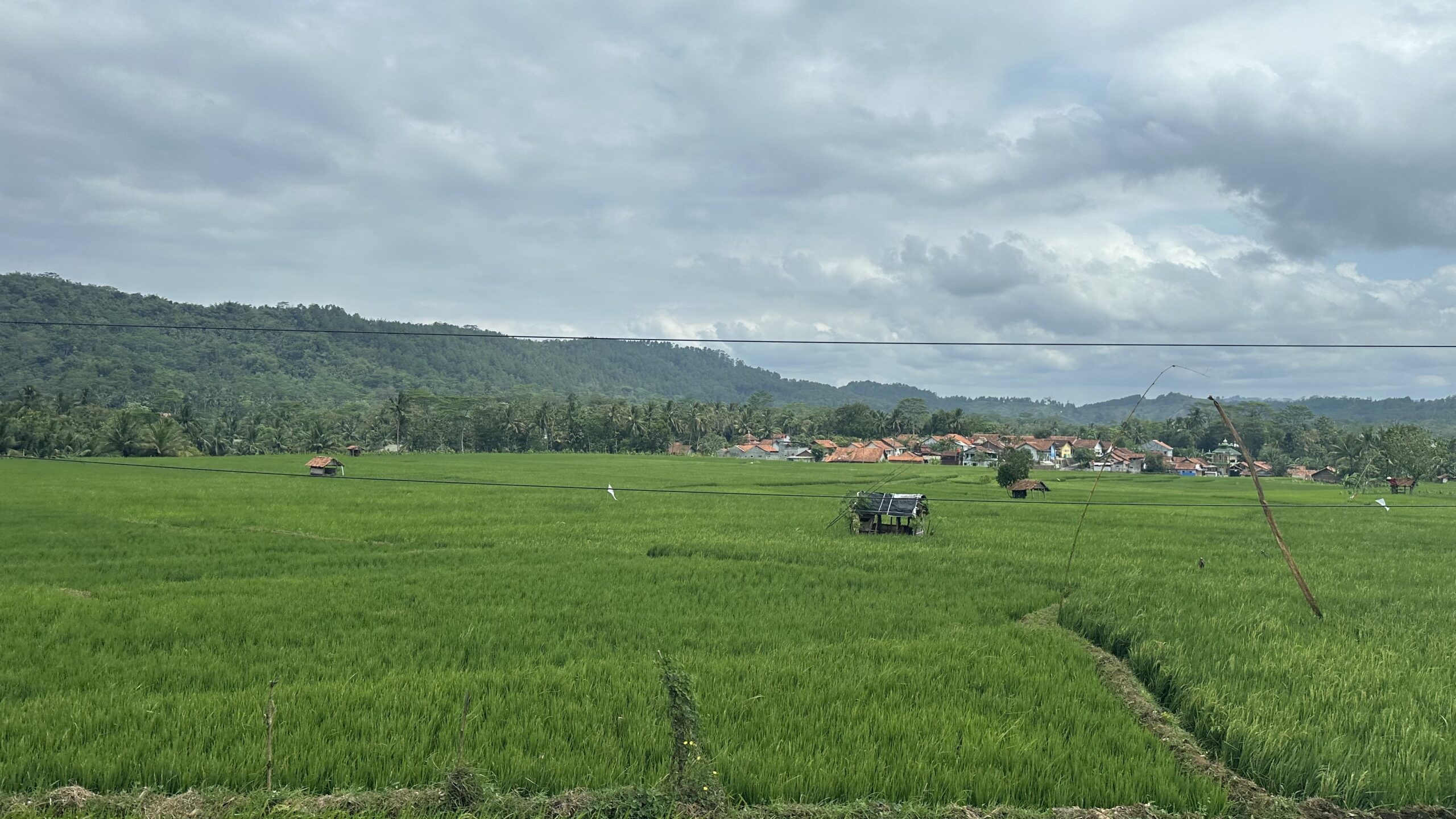
Malang lies in eastern Java and is often used as a base rather than a destination in its own right. It is well placed for visiting some of this part of the island’s most dramatic natural sights, including Tumpak Sewu and Mount Bromo.
How to get to and around Malang
Malang has train connections with many of Java’s main cities, including Yogyakarta, Surabaya, Probolinggo and Banyuwangi. We arrived by train from Yogyakarta, booking through Traveloka as usual.
Within Malang, you can use Grab and Gojek. Rent a scooter if you want to explore independently, or join a tour arranged through your accommodation or a local agency for places farther away, such as Tumpak Sewu and Mount Bromo.
Things to do in Malang
There is not a huge amount of sightseeing in Malang itself. The main attraction is Kampung Warna Warni Jodipan, the “rainbow village”, a neighborhood brightened by murals and colorful houses. It is worth a look if you have time, but the real reason to stop in Malang is what lies beyond the city.
Mount Bromo
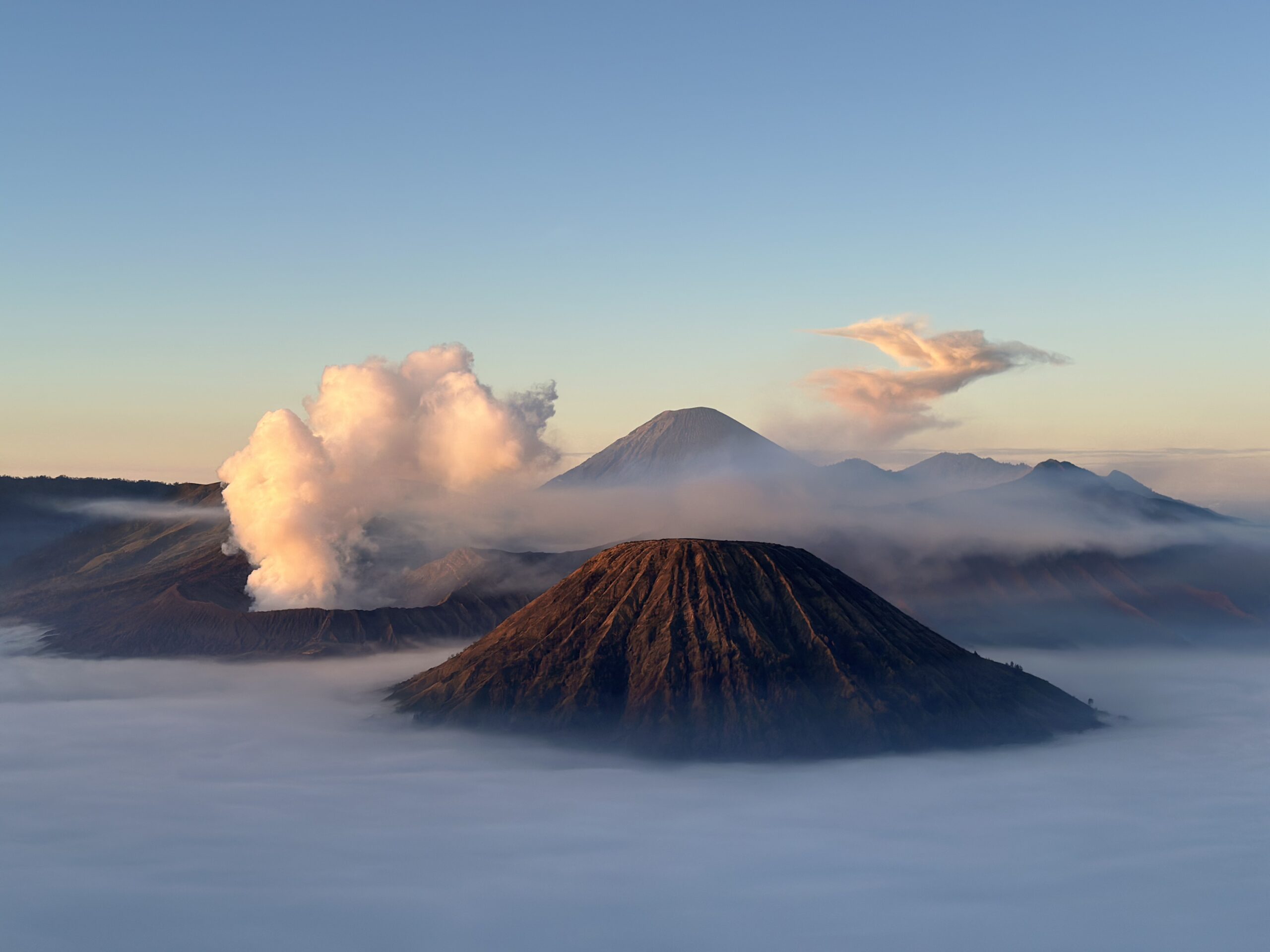
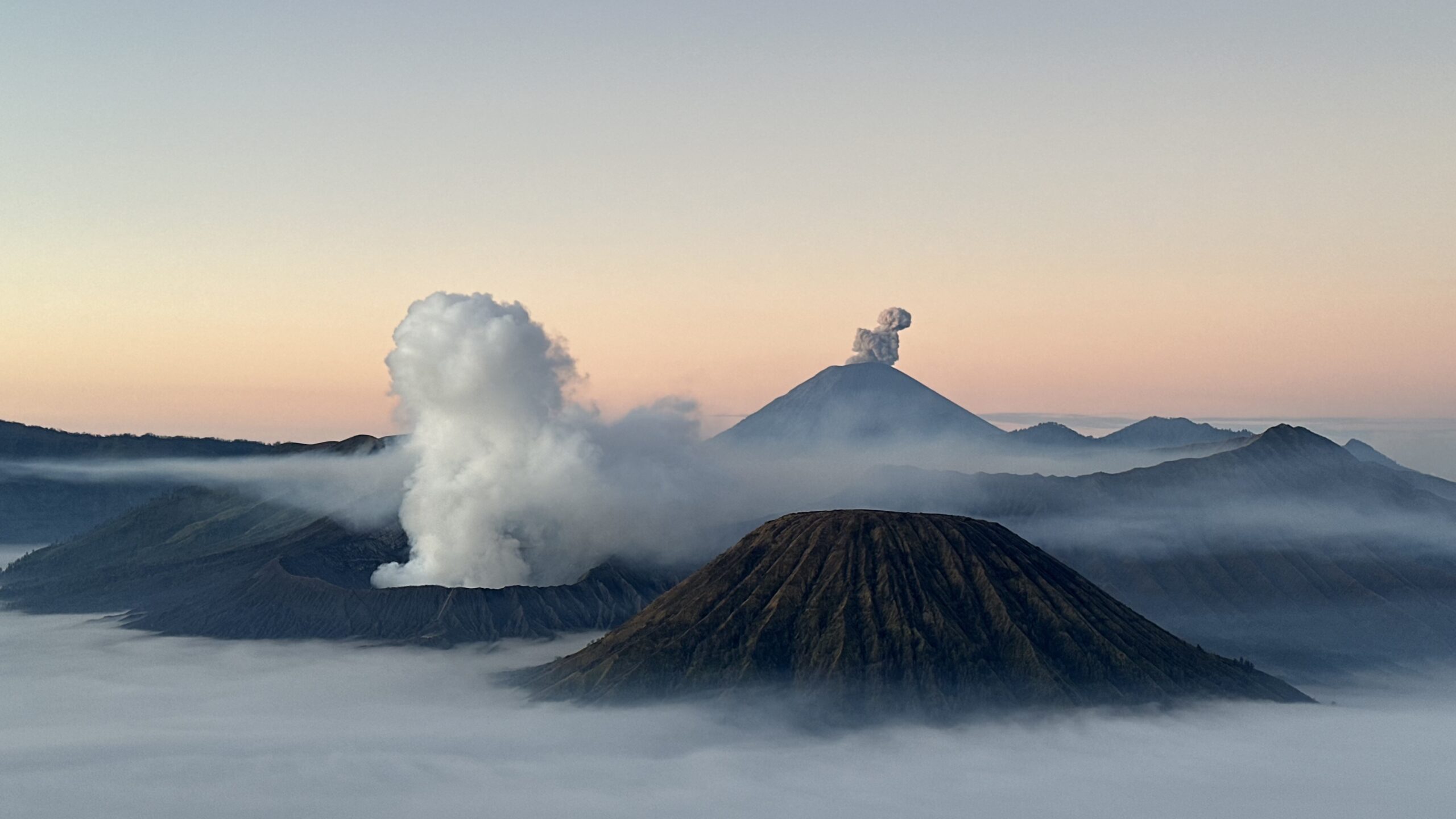
Mount Bromo is probably Java’s best-known volcano and one of its most extraordinary landscapes. Part of the Tengger massif, it forms one of Indonesia’s most recognizable views, with Mount Batok in the foreground and Semeru in the distance.
We chose the straightforward option and booked a tour through our hostel in Malang. We left around 2 a.m. and drove by jeep to the viewpoints for sunrise. We stopped just below King Kong Hill. Bromo is one of Java’s busiest tourist sites at sunrise, but we could still take in the view: the viewpoint area is spacious and the crowd did not spoil it for us. It remains the most beautiful place we have seen in Indonesia. After sunrise, we crossed the Sea of Sand, the vast stretch of volcanic sand beneath Bromo, and climbed the steps to the crater rim.
How to visit Mount Bromo independently
Instead of taking a day trip from Malang, you can travel to Probolinggo and then take a minivan to Cemoro Lawang, the village at the park entrance. Minivans often leave only once enough passengers have gathered, so travel times can vary. Spending a night or more in Cemoro Lawang lets you walk to the main sunrise viewpoints and arrange the rest of your Bromo visit locally. It takes more time but gives you more freedom than a standard day tour.
If you have limited time and want to keep logistics simple, we think a tour from Malang is the easiest option, especially as you can combine Bromo with Tumpak Sewu in the same day.
Note: according to the park’s published tariff, entry to Bromo Tengger Semeru National Park for international visitors is IDR 255,000 per person per day. Check what your tour price includes: some packages cover admission, the jeep and transfers, while others charge extra. Our Malang tour included both the jeep and park entry. Check current booking requirements and prices on the park’s official website.
Tumpak Sewu
Tumpak Sewu is one of Java’s best-known waterfalls and, for us, one of Indonesia’s most spectacular. Its name literally means “a thousand waterfalls”: countless streams cascade down a lush semicircular cliff, with Mount Semeru visible behind it on clear days.
We visited on the same tour as Mount Bromo. After watching sunrise and visiting the crater, we continued straight to Tumpak Sewu. It made for a very long day, as we had left Malang at around 2 a.m., but it let us see two of Java’s most spectacular places in a single day.
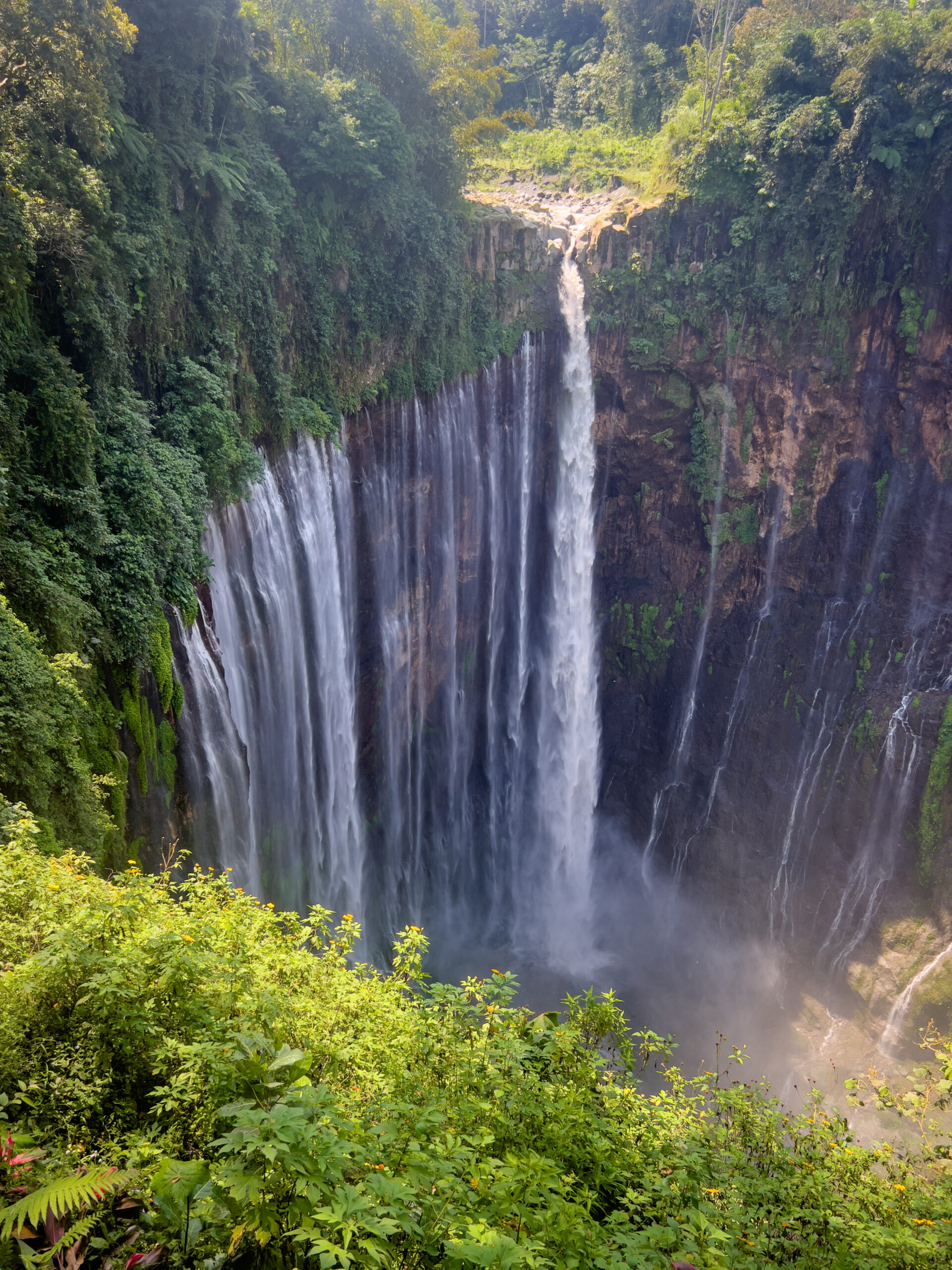
You can first see the waterfall from a viewing terrace, but we strongly recommend descending to the bottom. The path is steep, wet and slippery in places; go with a local guide. If your shoes are unsuitable, you can rent footwear at the entrance for walking through water and over wet rocks. At the bottom, you can continue to Goa Tetes, another nearby waterfall with rock walls, small cascades and caves.
You can also reach Tumpak Sewu from Malang by scooter or public transport, though the journey is long, fairly busy and not especially scenic. If you are riding from Bromo, some routes cross the Sea of Sand, but riding on sand can be challenging and calls for experience.
If your time is limited and you do not want to organize multiple transfers, combining Bromo and Tumpak Sewu in one tour is the most practical option in our view. It is a long day, but avoids separate transport and overnight arrangements.
Where to stay in Malang
We spent two nights at Bobopod Alun-Alun Malang, a modern, clean capsule hotel in the center with shared bathrooms. The staff were kind and put us in touch with the operator for our Bromo and Tumpak Sewu tour.
If you combine Bromo and Tumpak Sewu in a day, that second night is ideal for resting after a trip that began at 2 a.m.
Banyuwangi
At Java’s eastern tip, Banyuwangi is mainly a stop for travelers visiting Ijen or continuing to Bali. We used it as our base for Ijen. If you have a few hours free, Boom Beach and Pantai Cacalan are local beaches along the coast. Do not expect the classic Indonesian tropical beach: Ijen is the real reason to stop in Banyuwangi.
How to get to and around Banyuwangi
Banyuwangi has rail connections to the main cities of eastern Java. We arrived by train from Malang. If you are crossing Java from west to east, the train is one of the easiest and most comfortable options.
Banyuwangi is also a convenient gateway to Bali. Ferries leave frequently from Ketapang, just outside town, for Gilimanuk in western Bali. The crossing is short and services run throughout the day. From Gilimanuk, you can continue by bus or transfer; we recommend arranging a transfer to your next destination.
Within Banyuwangi, you can use Grab or Gojek. For Ijen, joining a tour or arranging a transfer through your accommodation is usually simplest.

Kawah Ijen
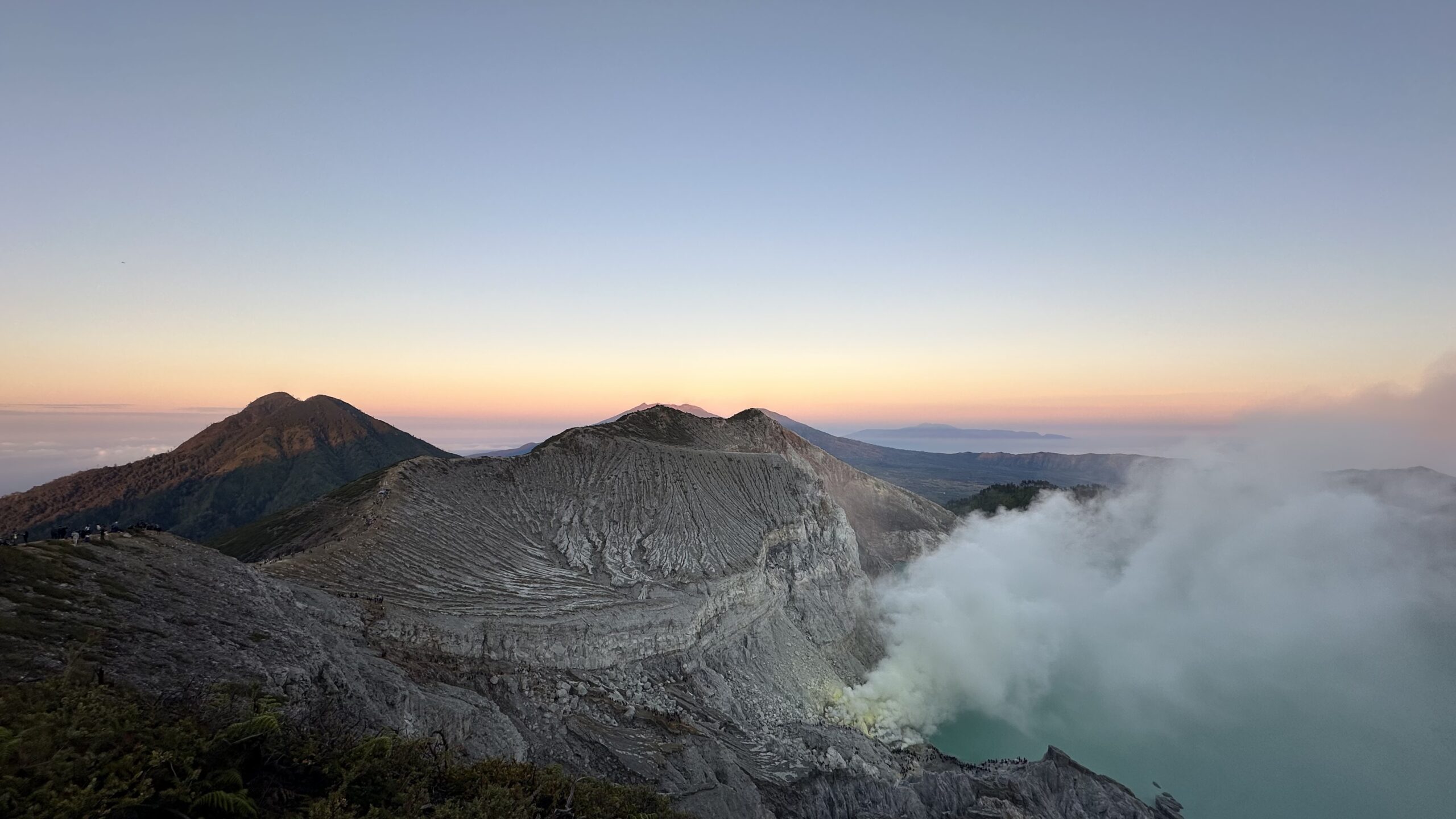
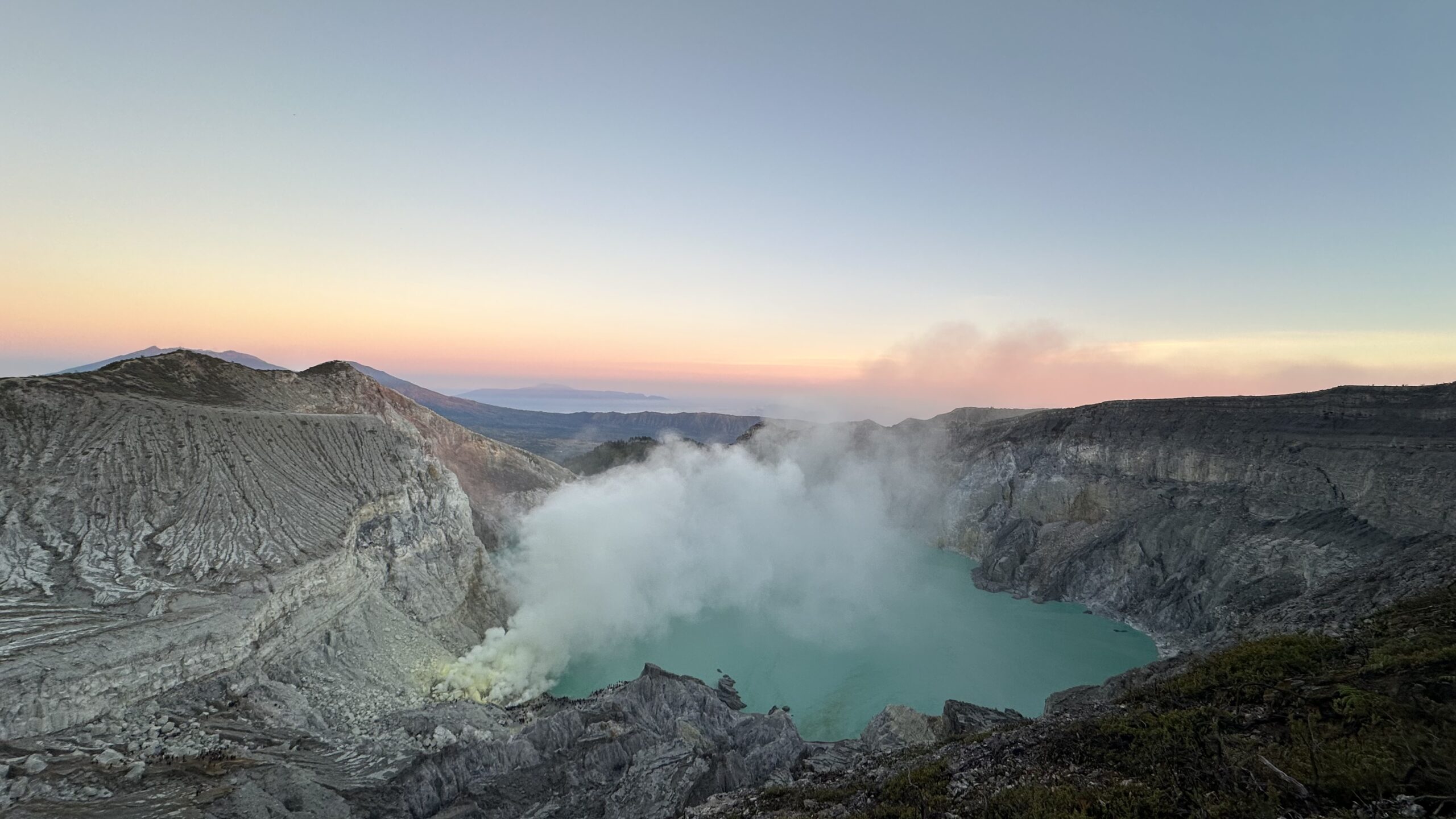
Kawah Ijen is one of Java’s most unusual volcanic sites, known for its turquoise crater lake and the blue fire produced when sulfurous gases ignite.
The hike is often done at night, with the aim of seeing the blue fire before dawn and then watching sunrise from the crater rim. The main uphill trail is about 3 km and manageable if you are used to walking. The descent into the crater is steeper and rough underfoot. Access to the crater interior can change with conditions, so follow the current instructions from park staff.
For us, the easiest choice is an organized trip from Banyuwangi. Transport, admission and a guide are often included, but check the details before booking; a gas mask, for example, cost extra on our tour. Visitors need a health certificate issued no more than three days before the visit. Operators may help arrange it, but check the official Ijen requirements before you go.
The one thing we enjoyed less was the sheer number of people, especially on the way down into and back up from the crater. The path is narrow in places, and slower walkers and people trying to overtake can cause confusion. Take your time, especially on the steep sections.
You will also meet sulfur miners, who work inside the crater and carry extremely heavy loads along the same route used by visitors.
Bring appropriate shoes and warm clothing for the nighttime hike. The blue fire is not always visible, and access inside the crater can be restricted because of conditions and gas emissions.
Where to stay in Banyuwangi
We spent two nights at Good Feeling Ijen Banyuwangi, a simple, inexpensive place that served mainly as our base for Ijen. The hike takes place overnight, and a second night gives you a chance to rest before traveling on. If Bali is your next stop, leaving immediately after the hike can turn the whole day into an unnecessary rush.
How to book tours for Bromo, Tumpak Sewu and Ijen
For trips to Bromo, Tumpak Sewu and Ijen, you can contact Sahabat Dolan Malang. We met him when he drove us to Tumpak Sewu after Bromo. We had a good experience and later asked him to arrange our Ijen hike too.
Contact him directly for prices, available tours and what each package includes.
WhatsApp: +62 812 1669 6557
Instagram: @sahabatdolanmalang
See our complete guide to the country